


Spring is Peak Season
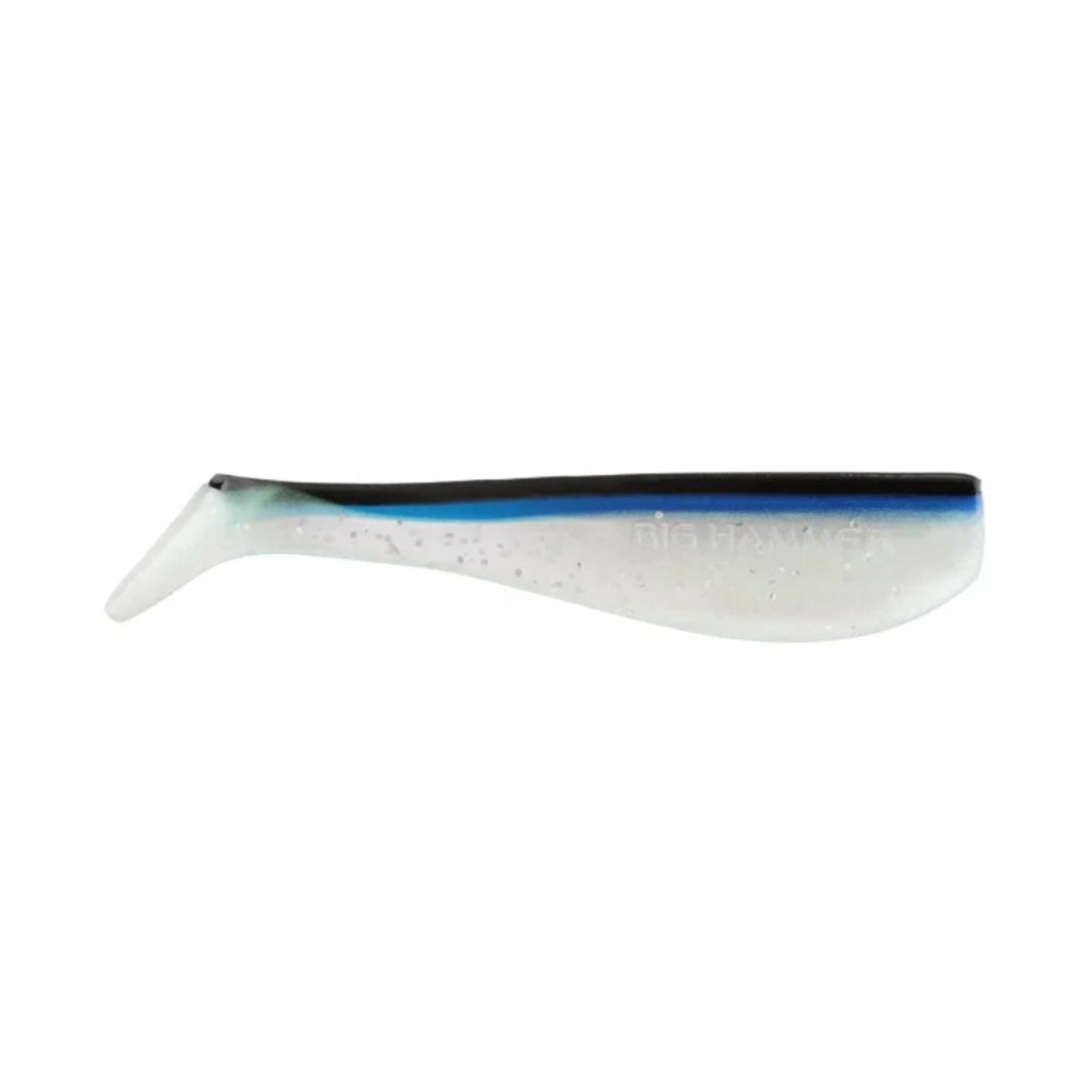
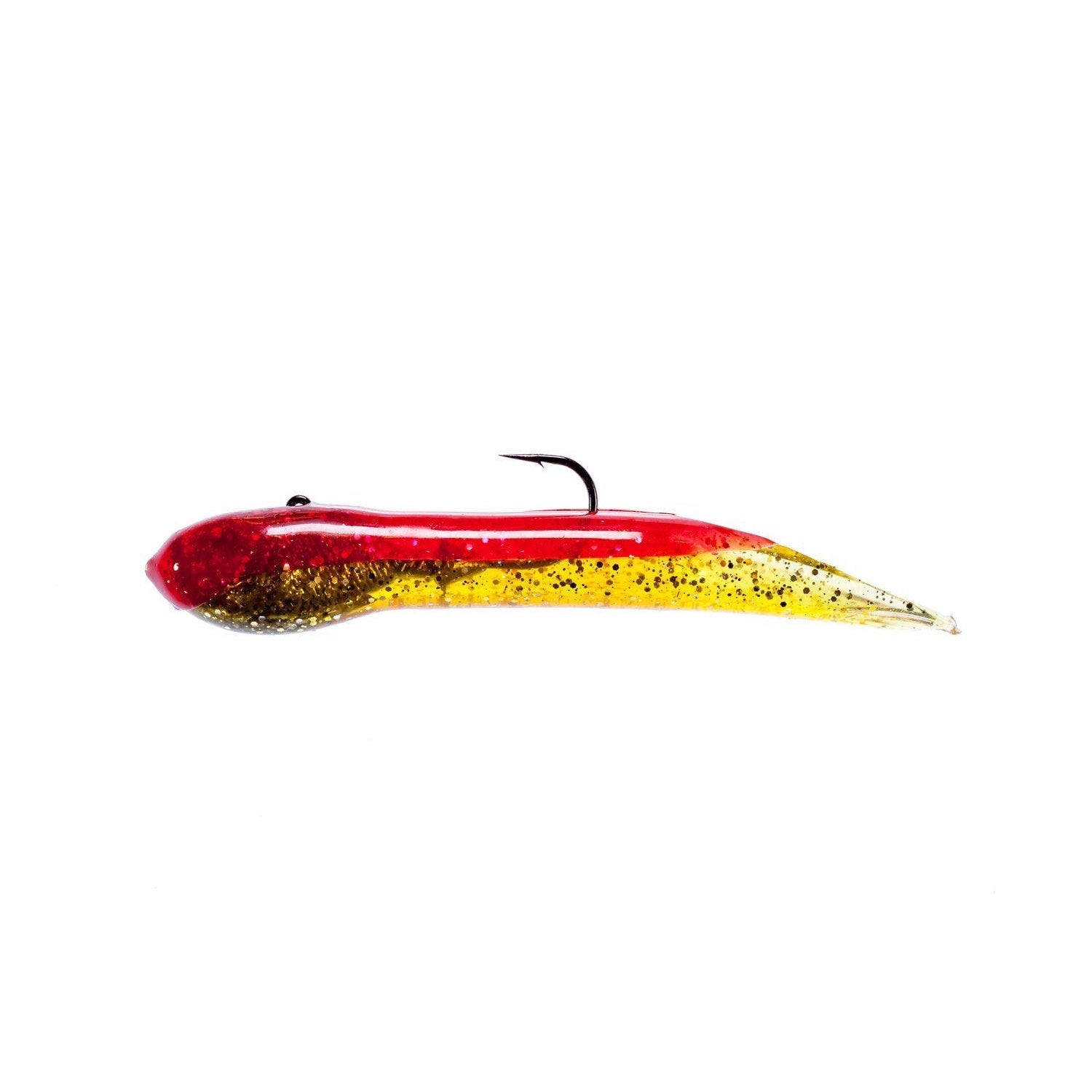
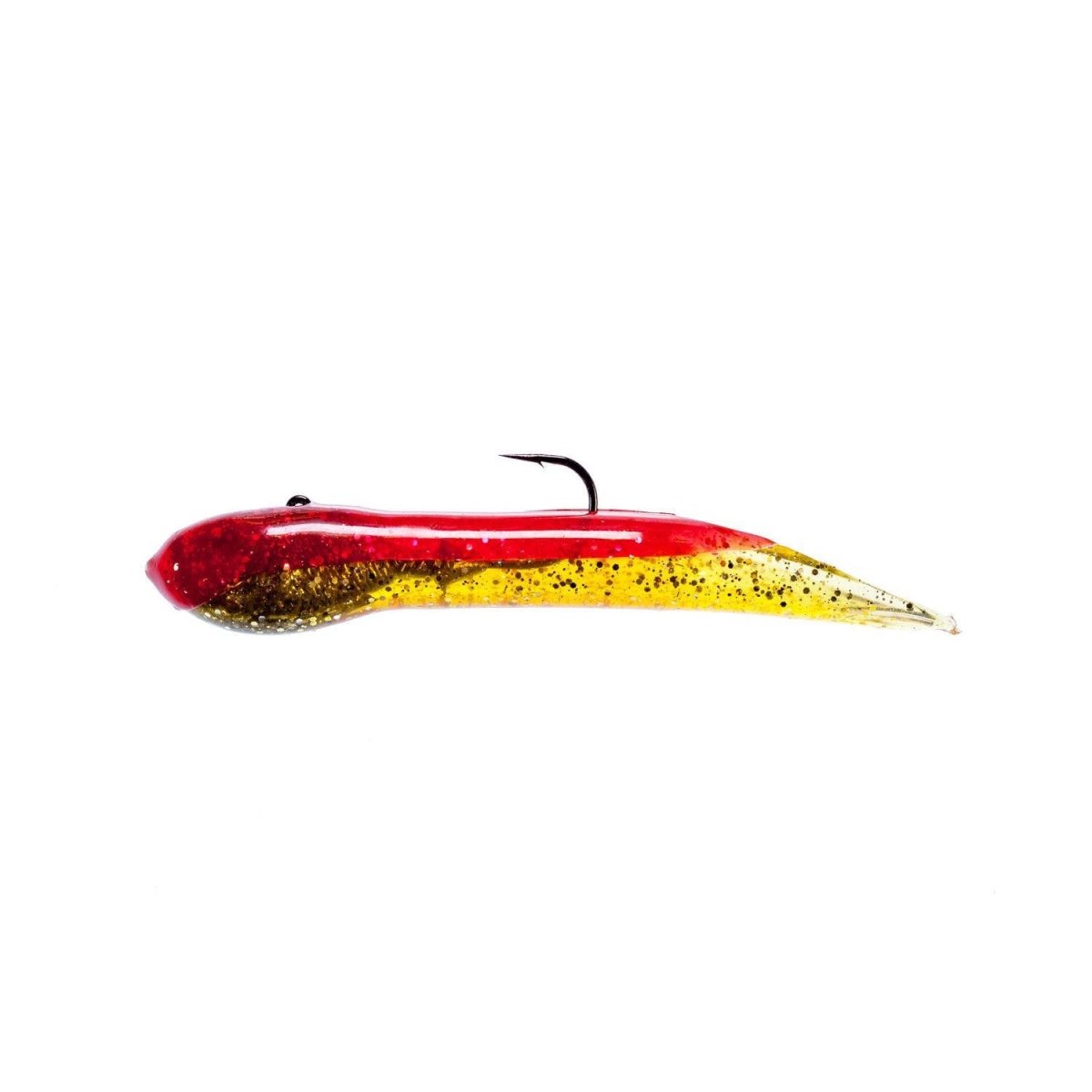
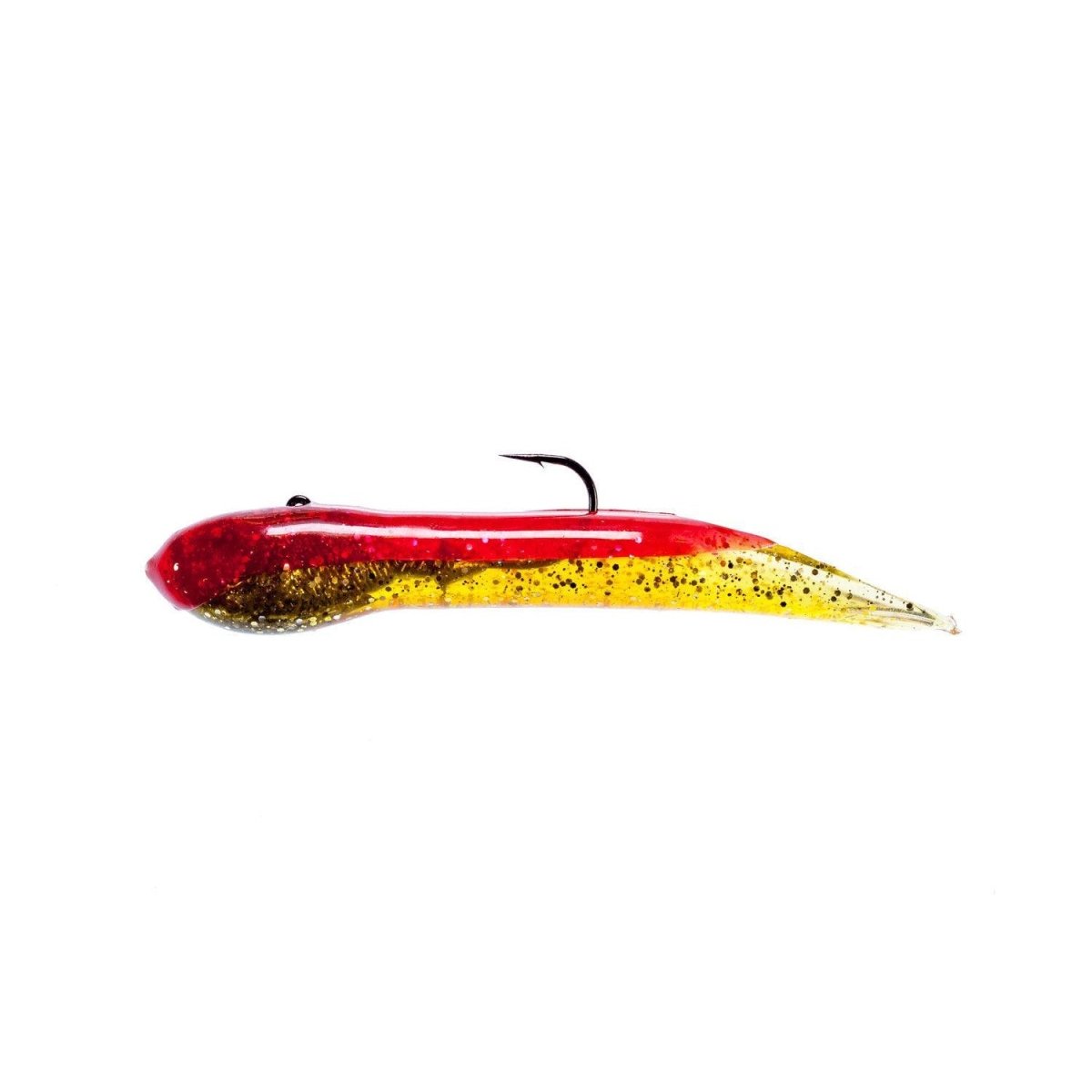
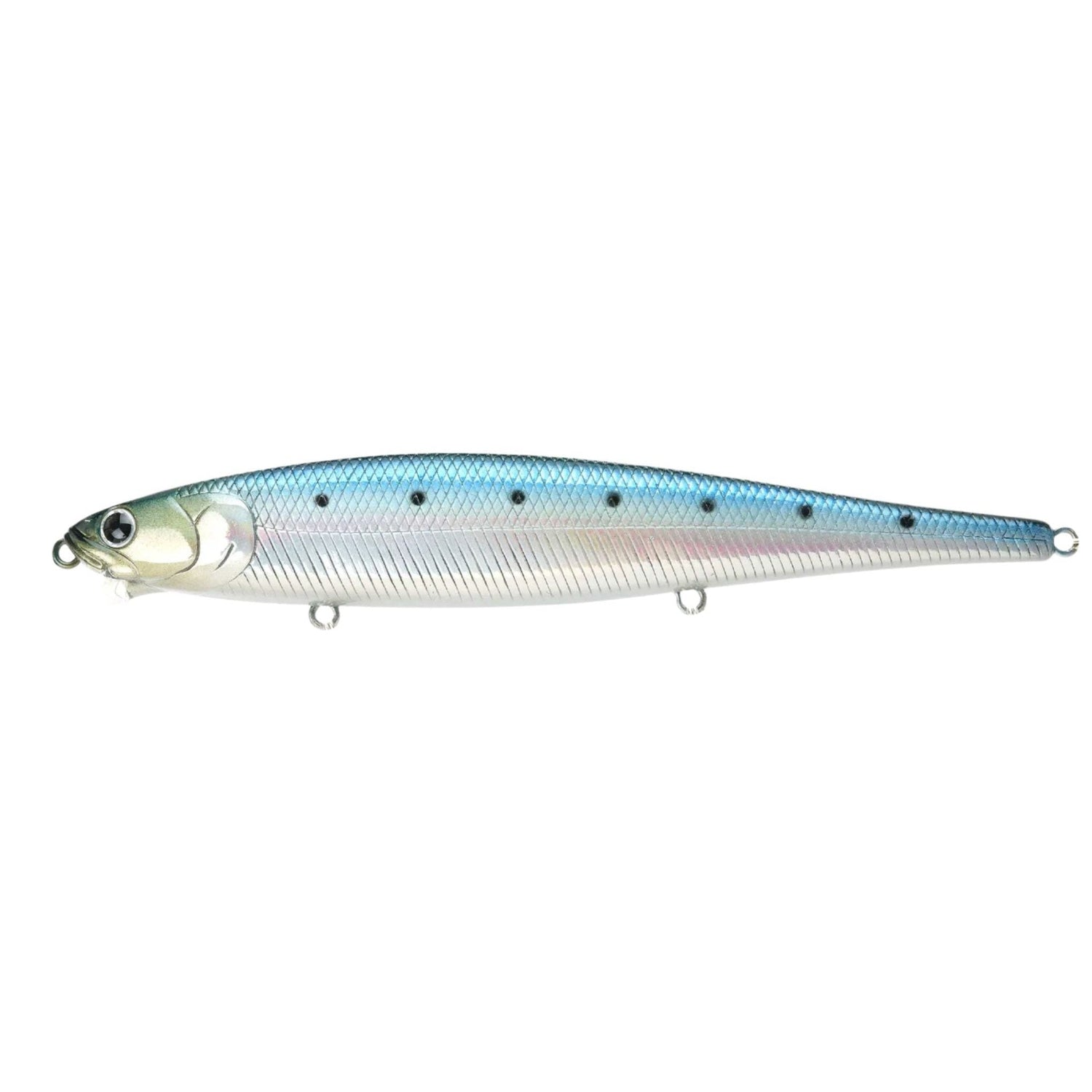
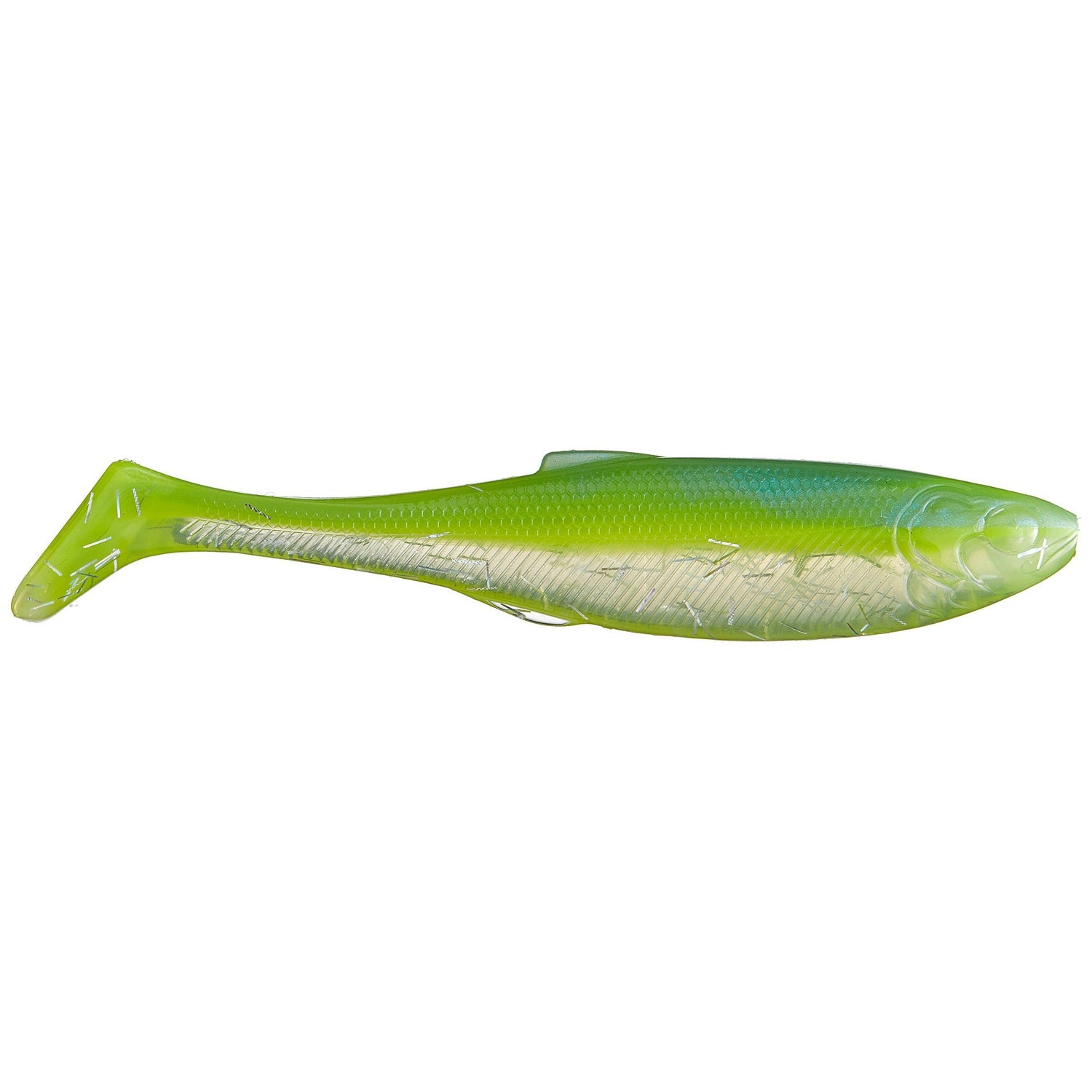
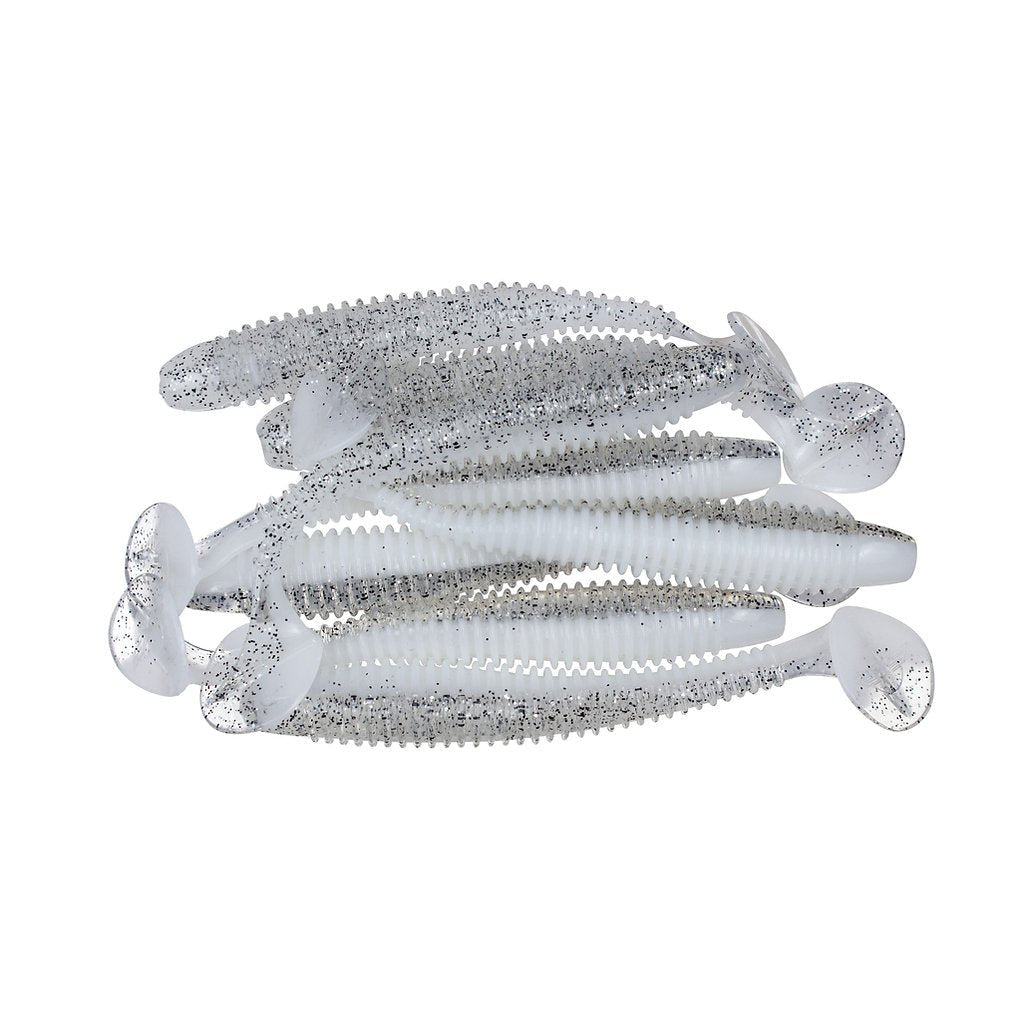
Spring and early summer is the prime window as fish push onto shallow sandy flats, bay entrances, and nearshore structure. Live anchovies, soft plastic swimbaits, and jig heads on the drift are producing along the entire SoCal coast.









About California Halibut
California Halibut (Paralichthys californicus) are one of the most sought-after inshore gamefish on the West Coast. Found from Baja California to Point Conception and beyond, these flatfish are ambush predators that lay camouflaged on sandy and muddy bottoms, exploding upward to engulf baitfish passing overhead. They fight hard, taste great, and can be caught from the beach, the bay, a boat, or a pier — making them one of the most accessible trophy fish in Southern California. Success comes down to understanding the bottom, matching the bait, and keeping your presentation in the strike zone.
Spring
Fish push onto shallow sandy flats and bay entrances — live anchovies and soft plastic swimbaits produce explosive action.
Summer
Troll swimbaits over sandy bottom or drift live bait as fish stack along structure breaks and beach flats.
Fall
Halibut drop to deeper edges and channel structure — heavier jig heads and slow-rolled swimbaits along drop-offs are the key.
Winter
Fish hold deep in channels and offshore troughs — Carolina rigs with live bait near the bottom produce cold-water bites.
RECOMMENDED REELS
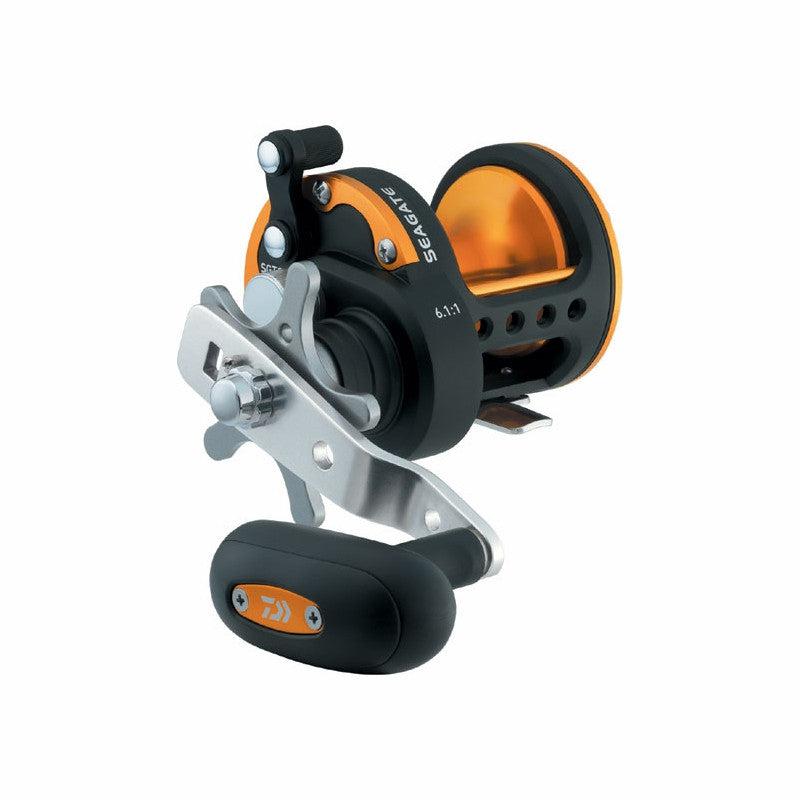
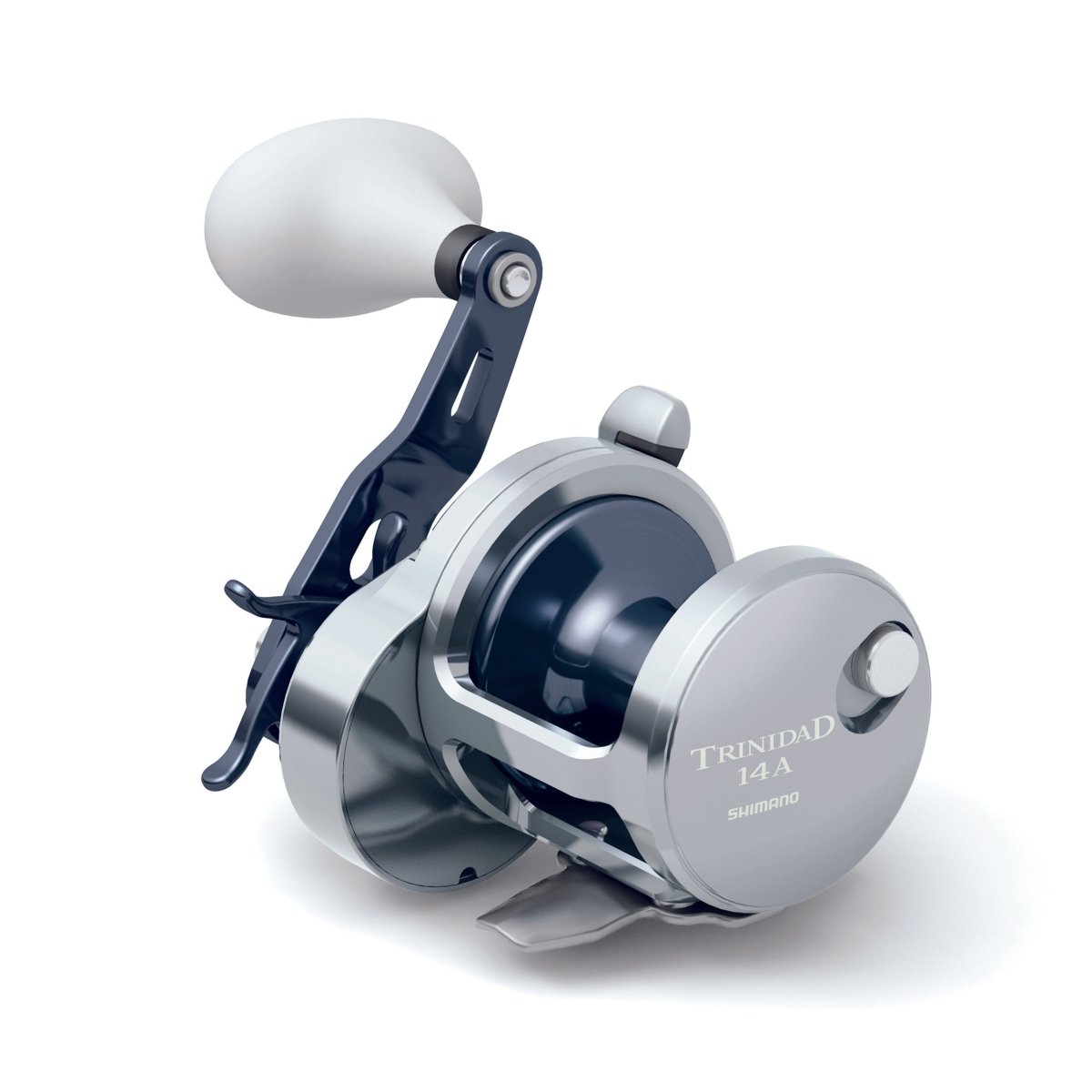
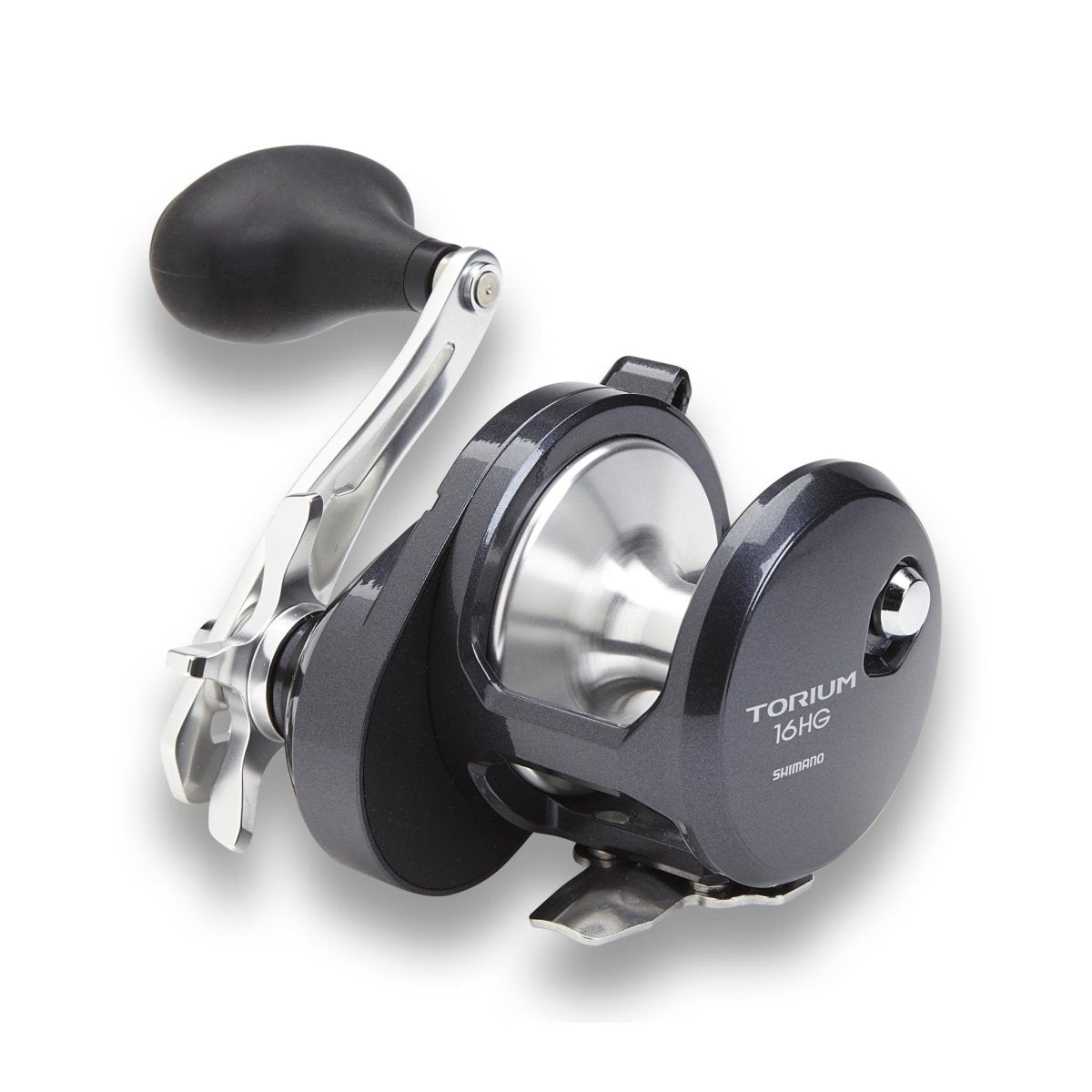
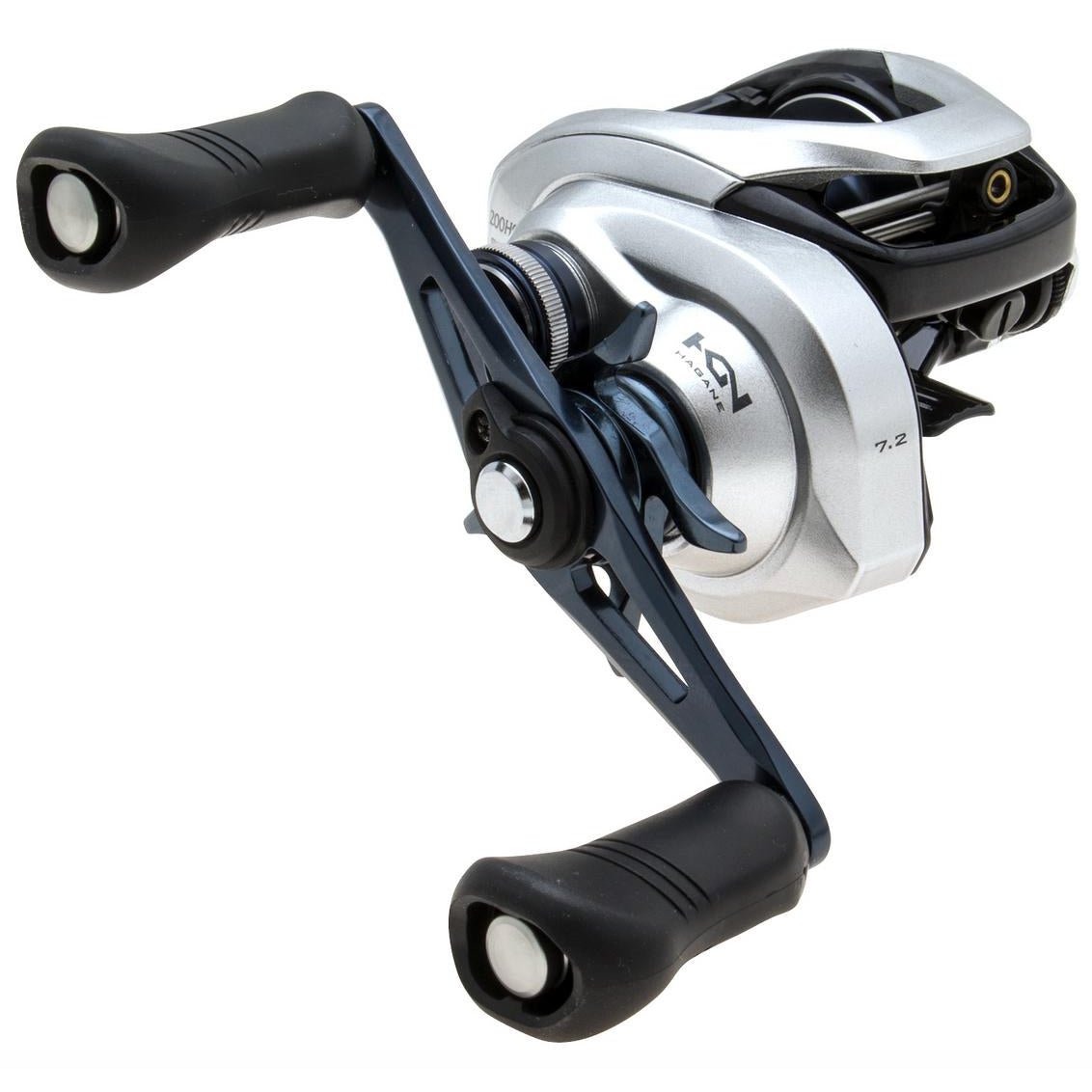
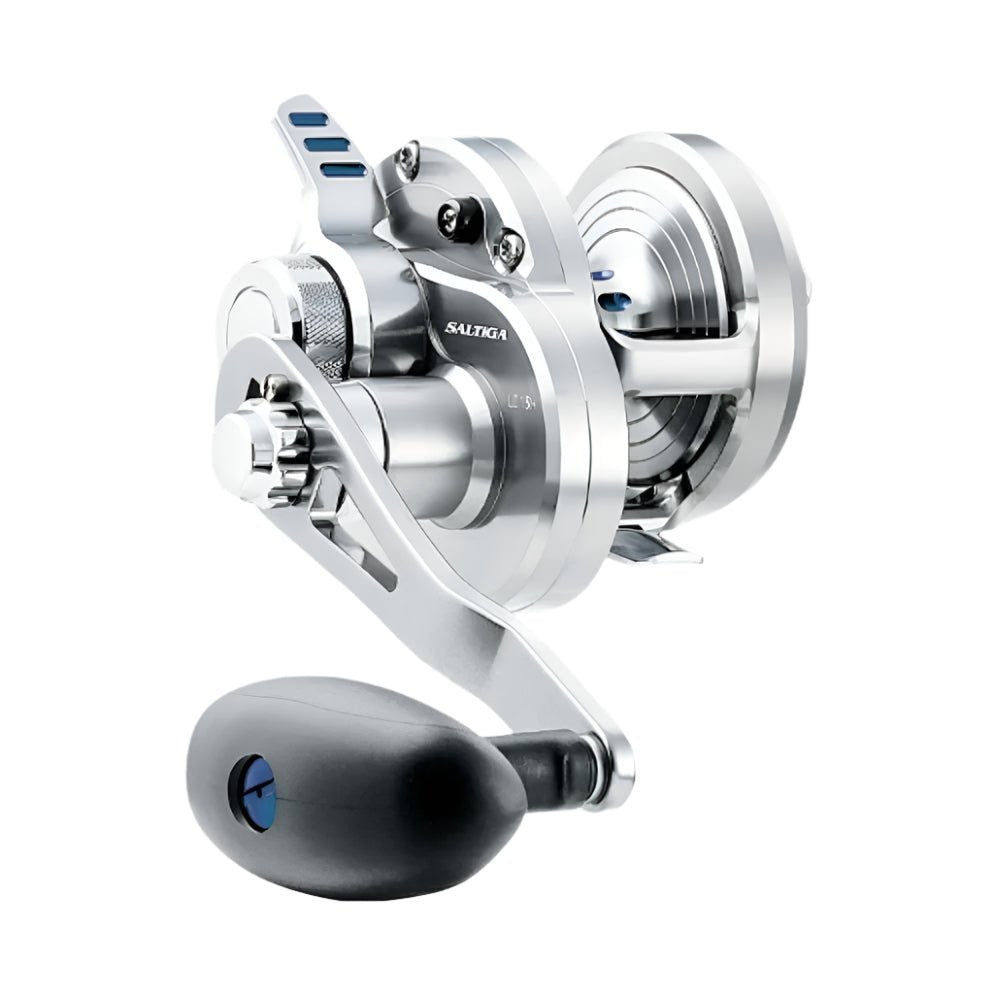
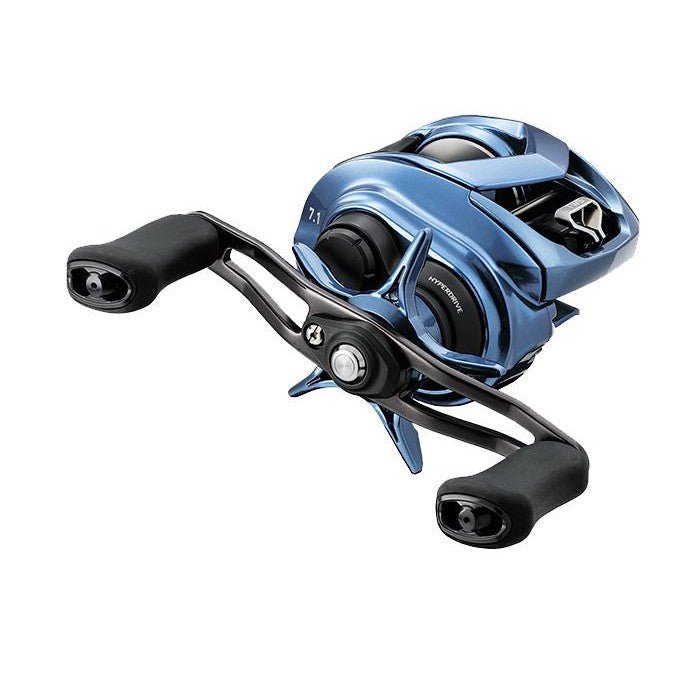
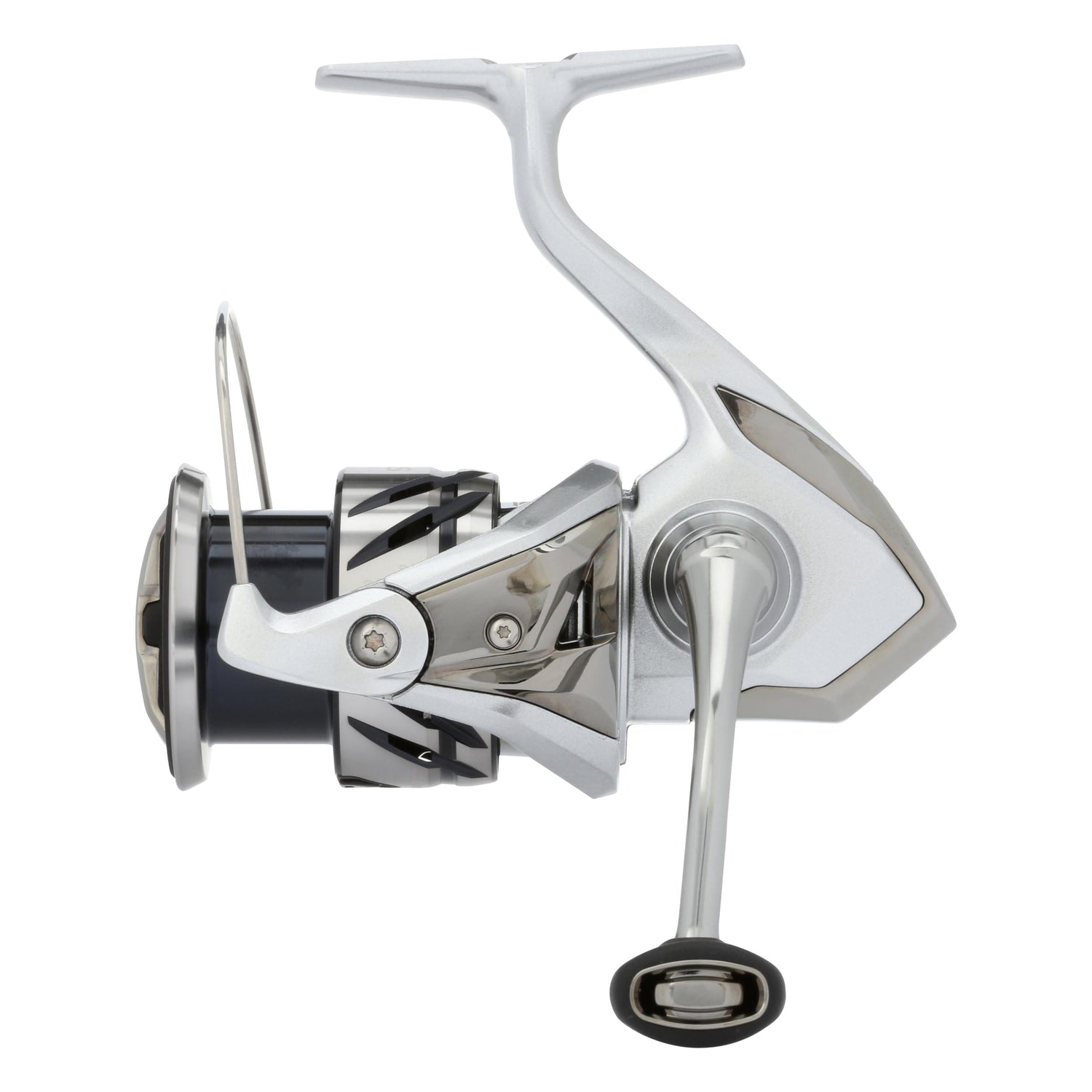
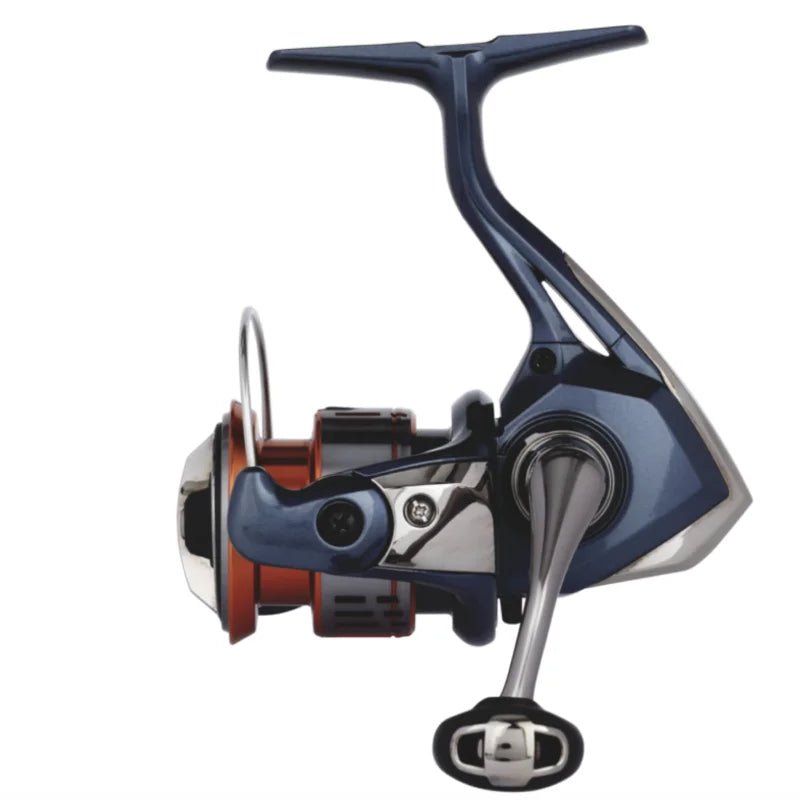
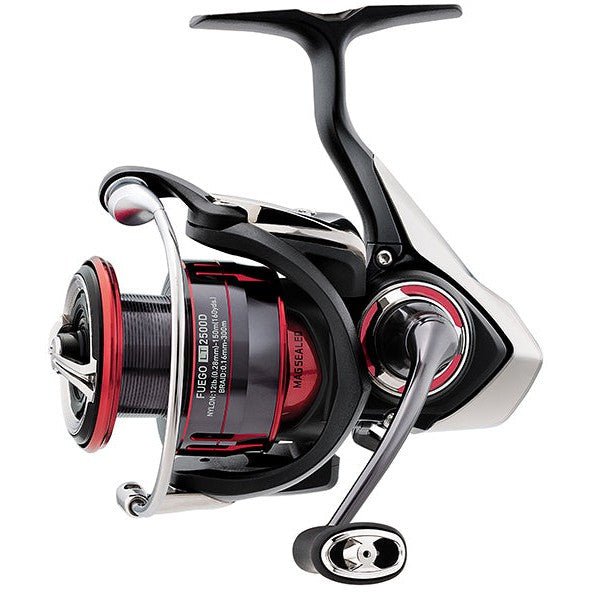
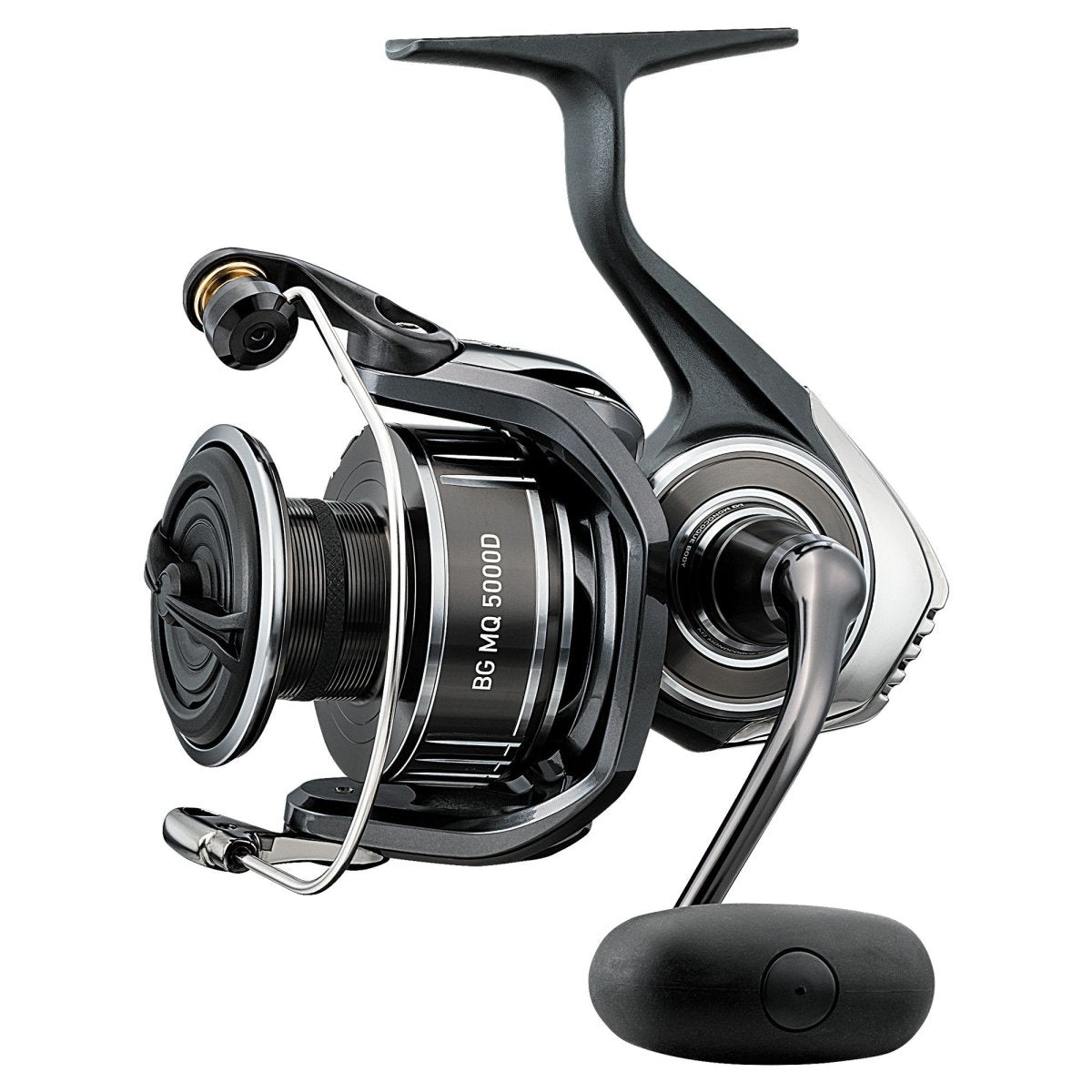
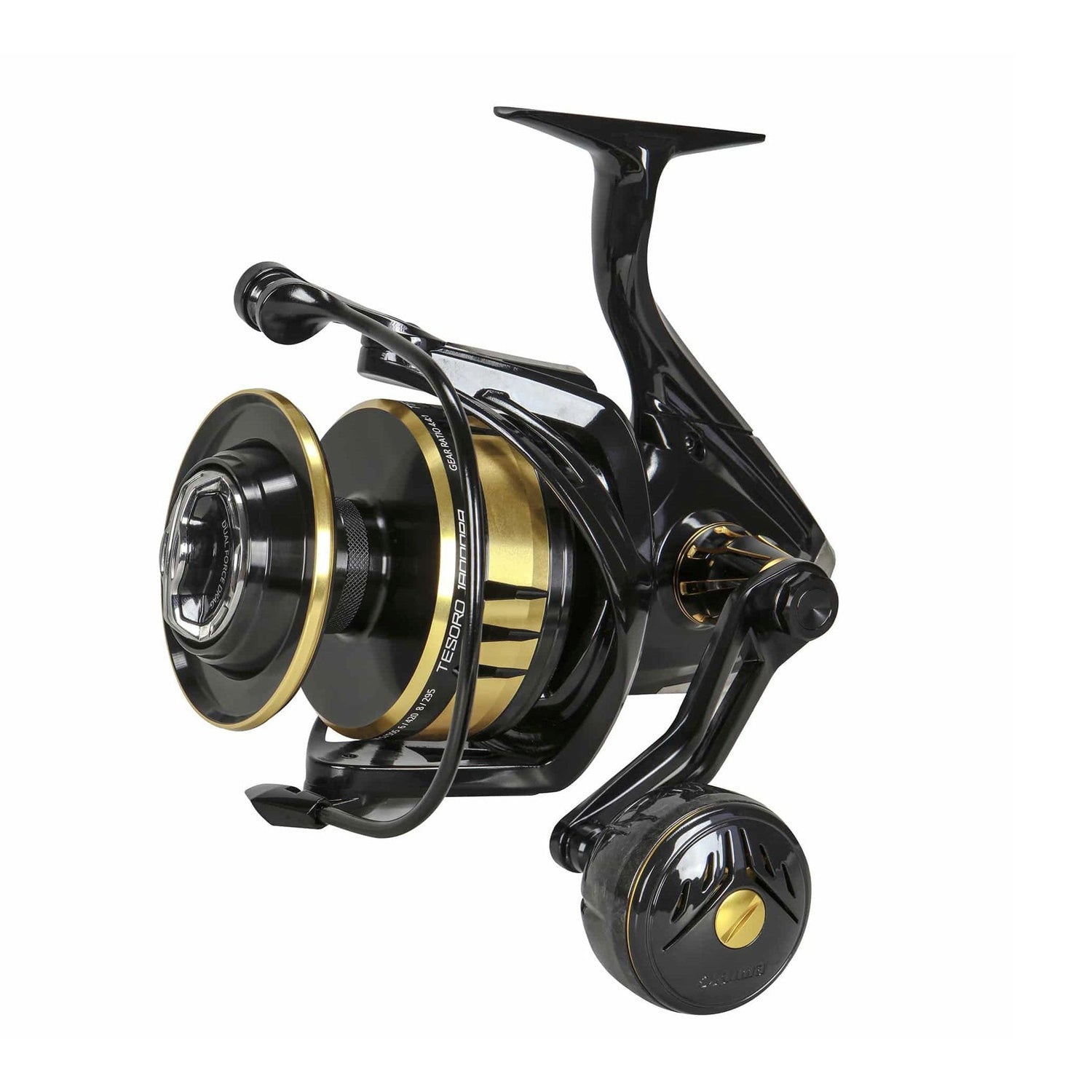
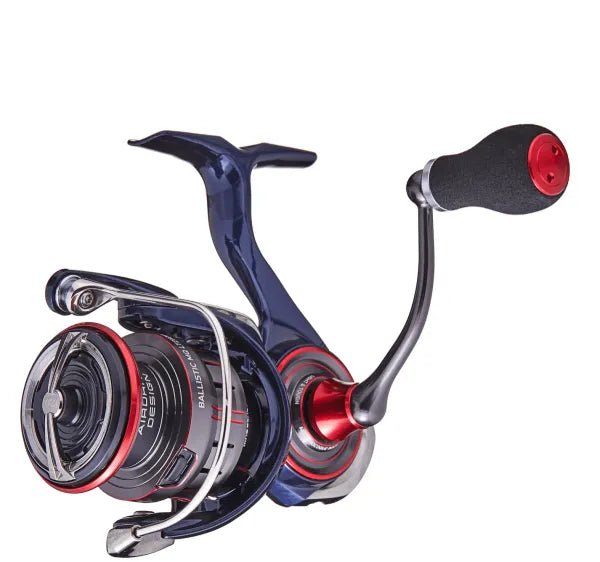
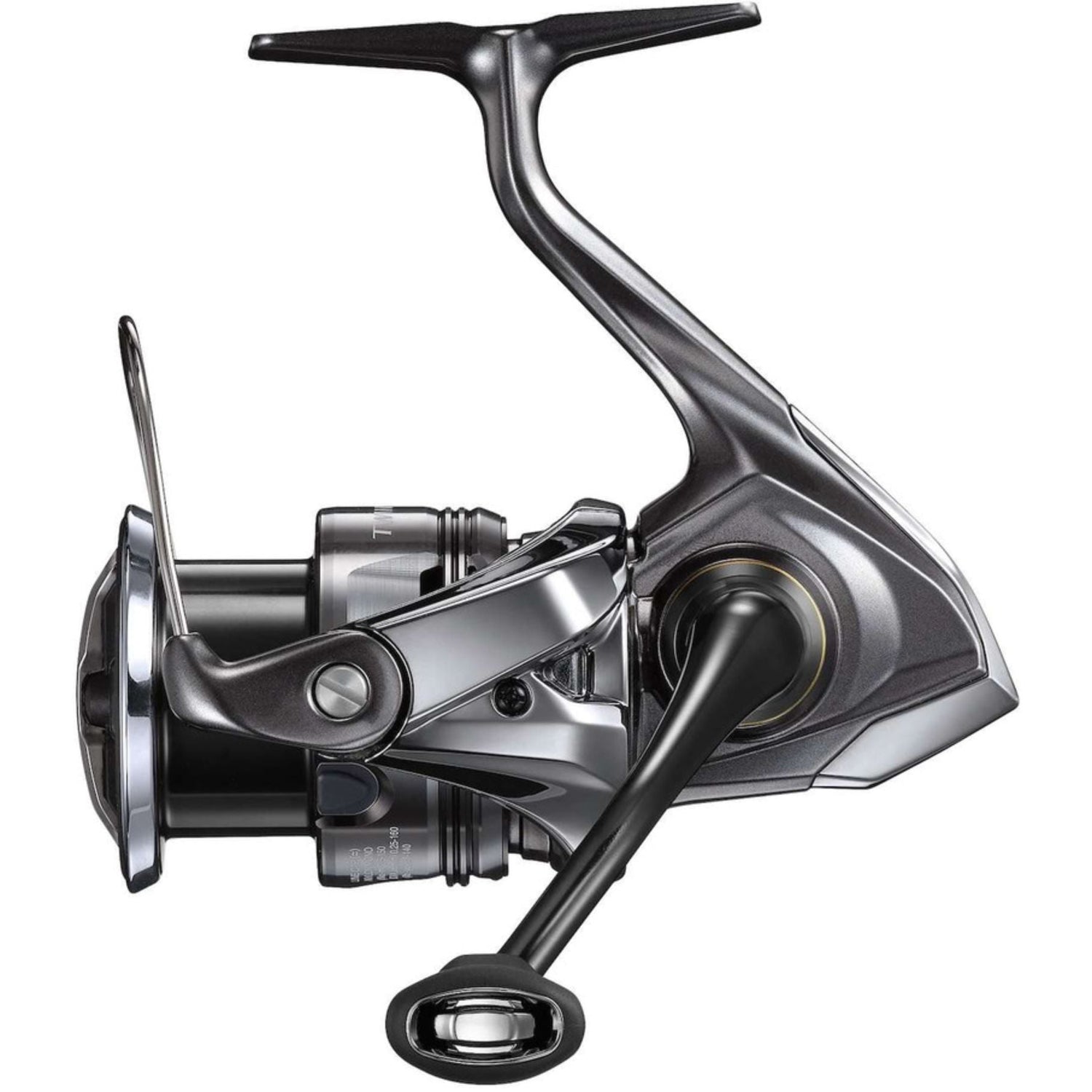
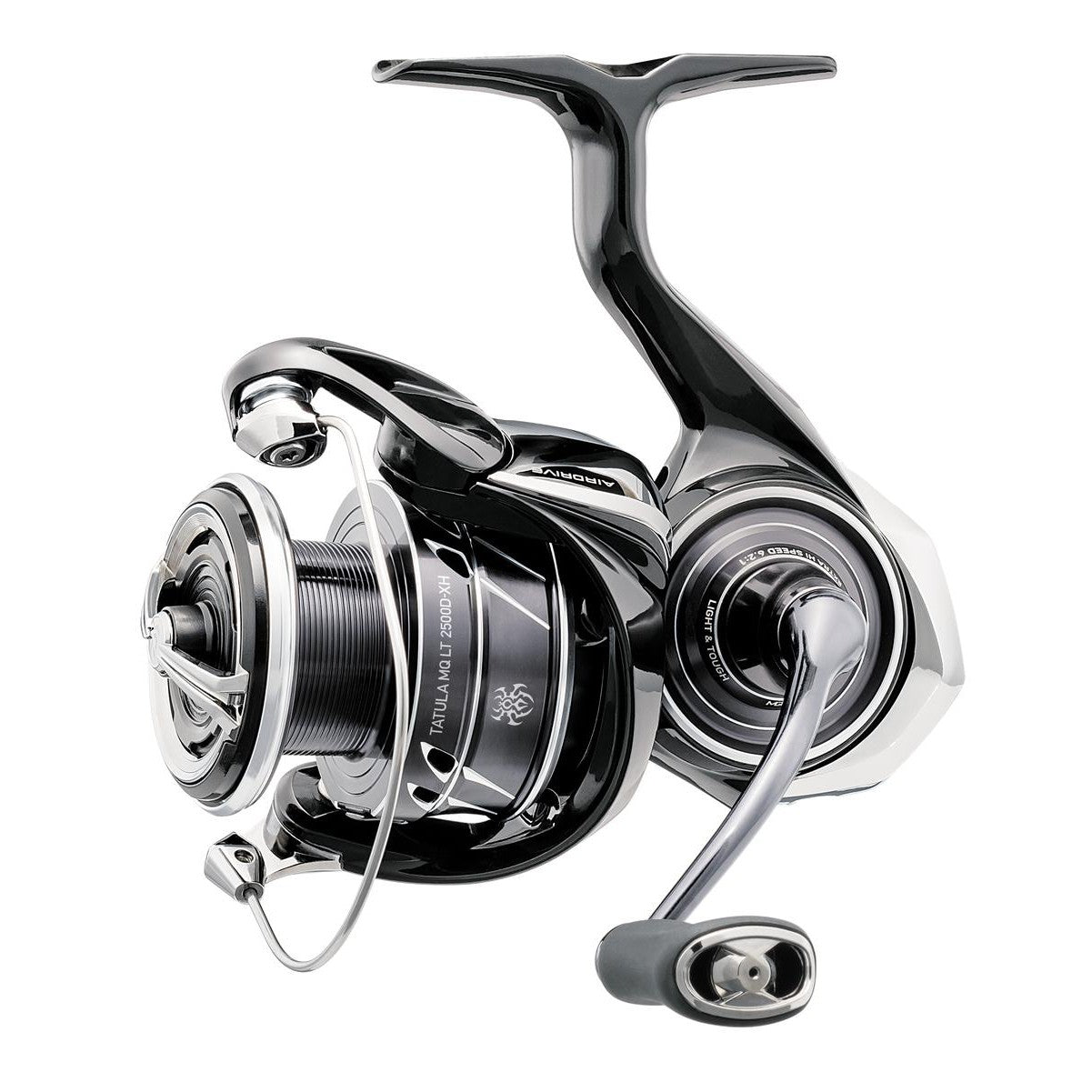
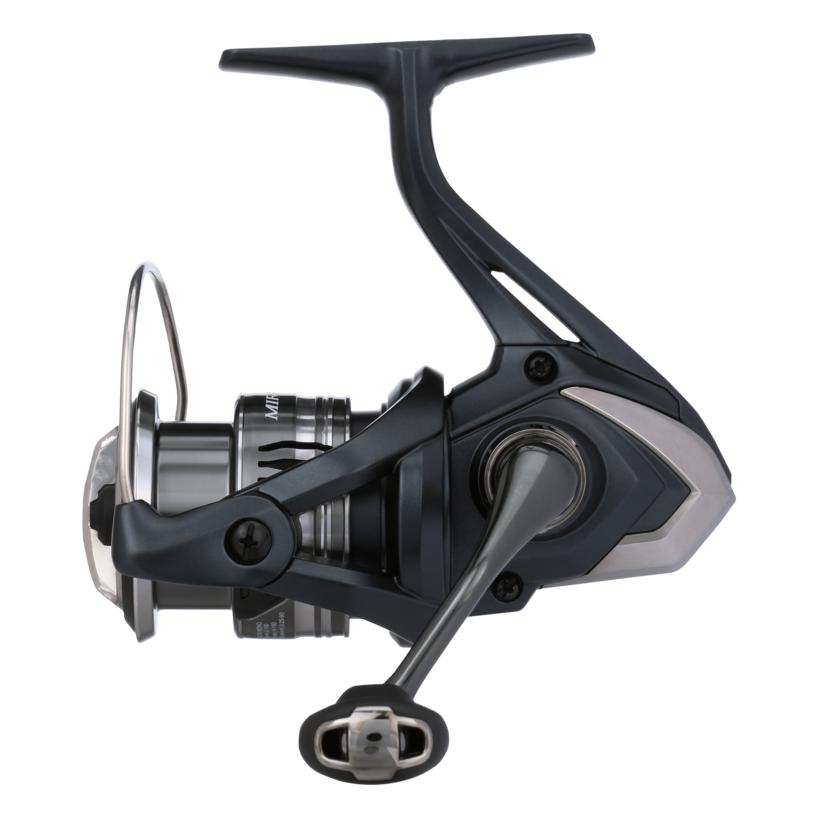
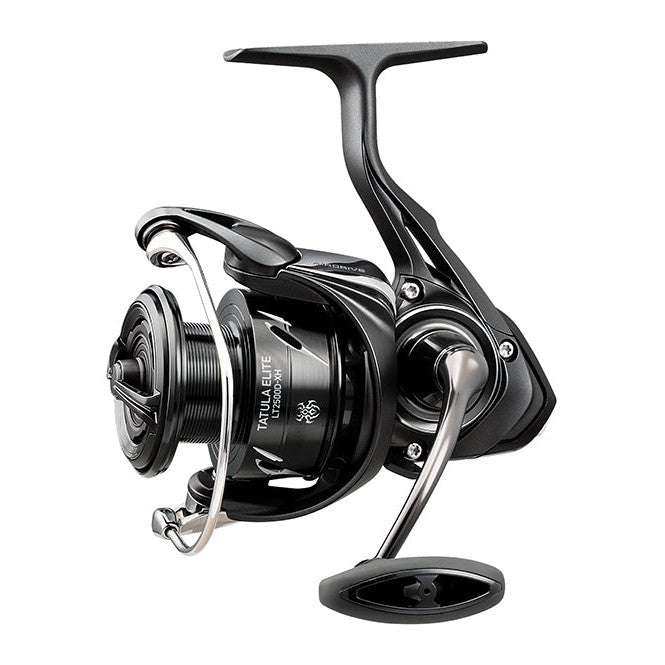
California Halibut fishing calls for reels with silky-smooth drag systems, enough line capacity for long bay drifts, and a weight that won't tire your arm over a full day of working swimbaits or drifting live bait. Whether you're throwing a soft plastic on a 3/4oz jig head, slow-rolling a paddle tail over sandy bottom, or soaking a live anchovy on a Carolina rig, the right reel keeps you in contact with the bite and fighting fish when it counts.
- Spinning Reels — 2500–4000 size models with smooth sealed drags for swimbait, live bait, and light iron presentations
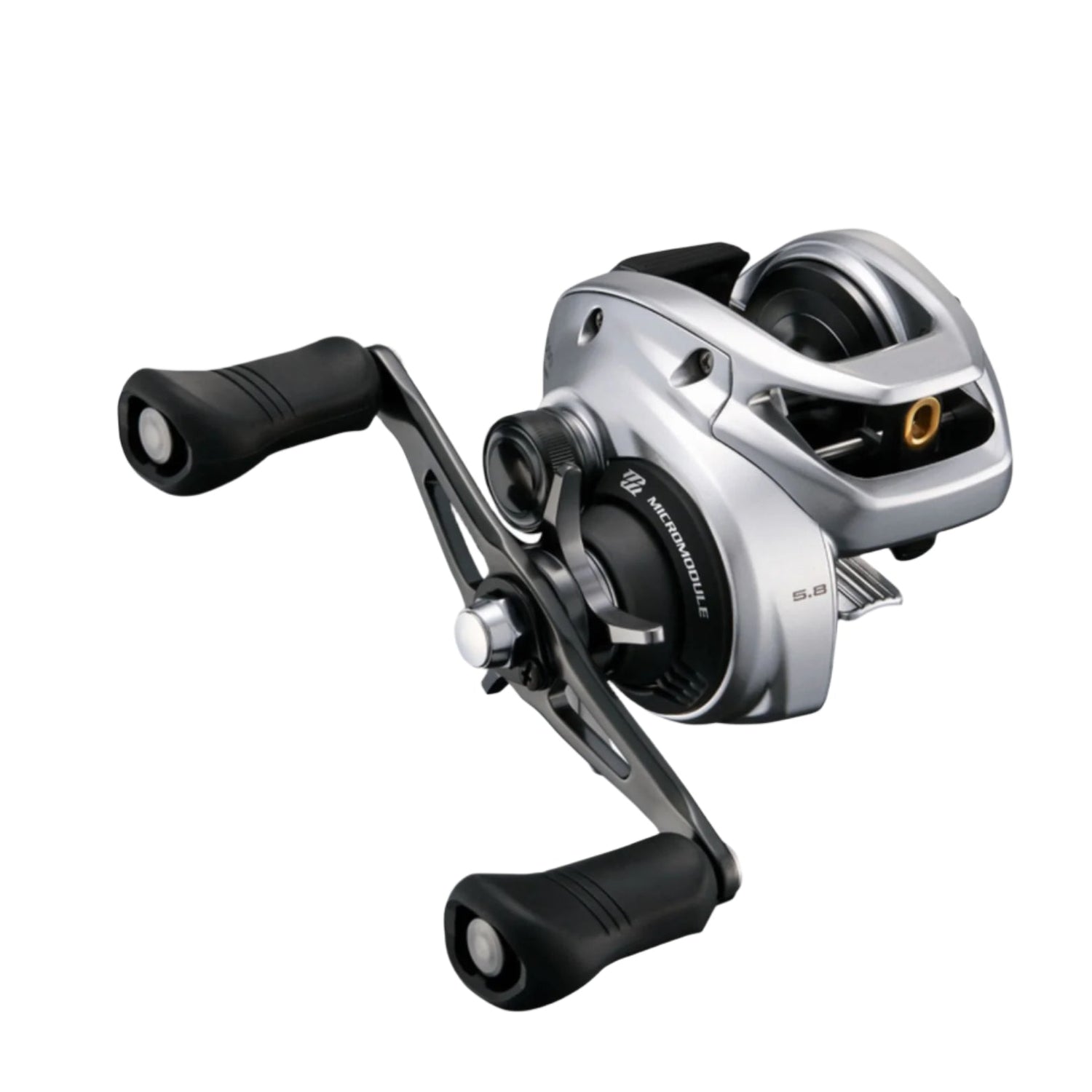
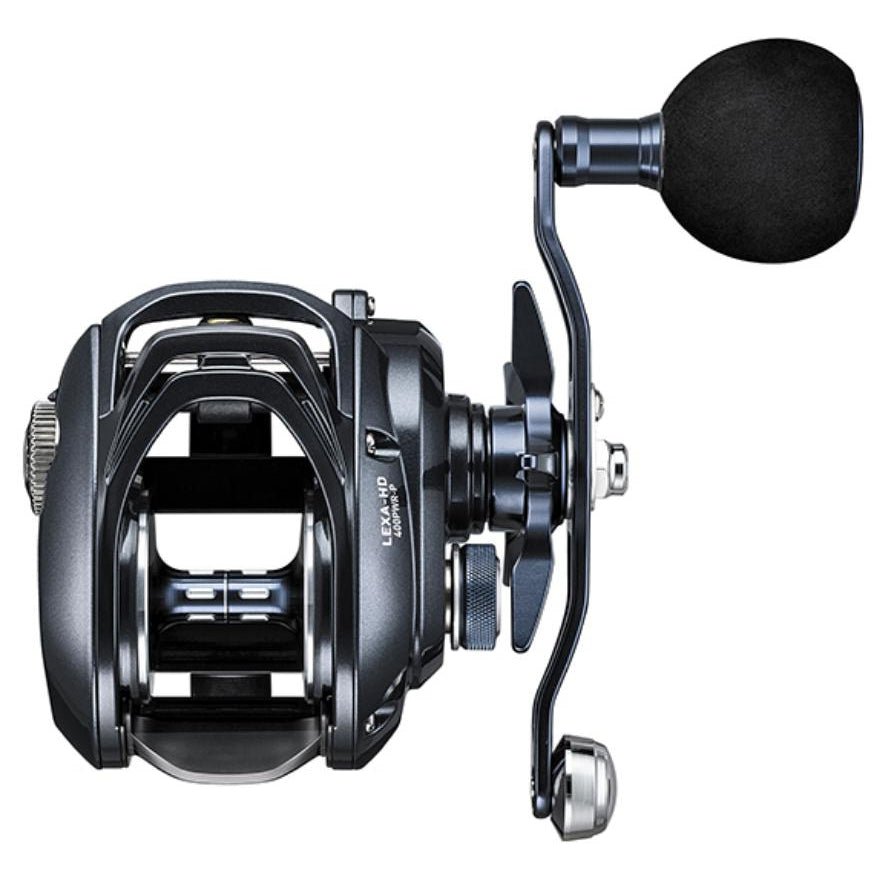
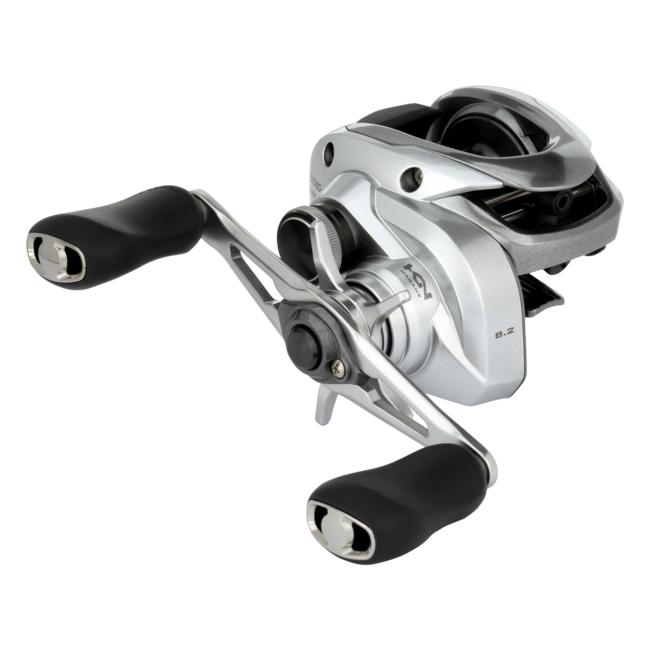
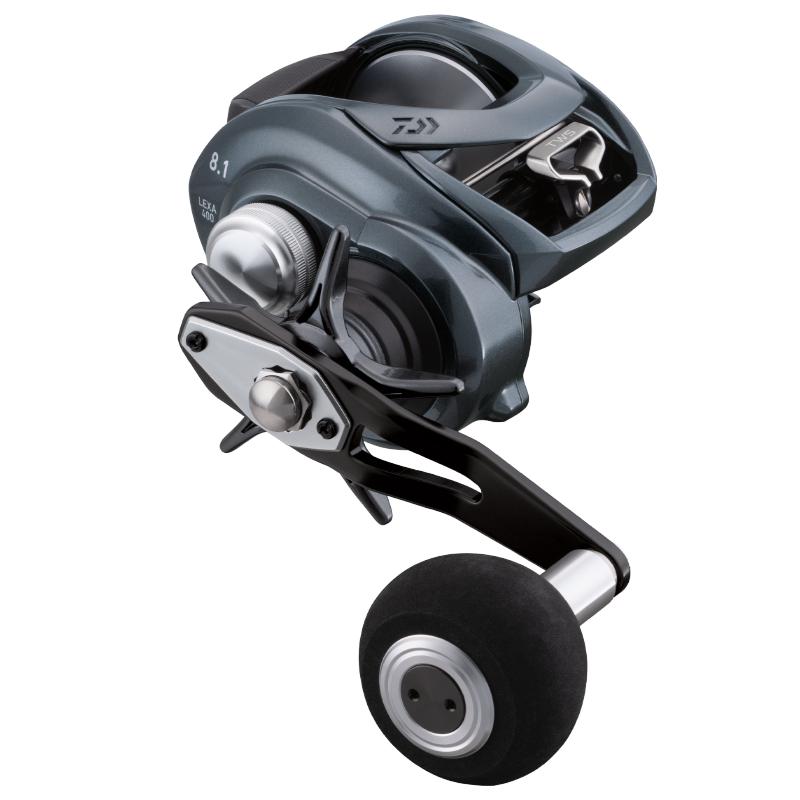
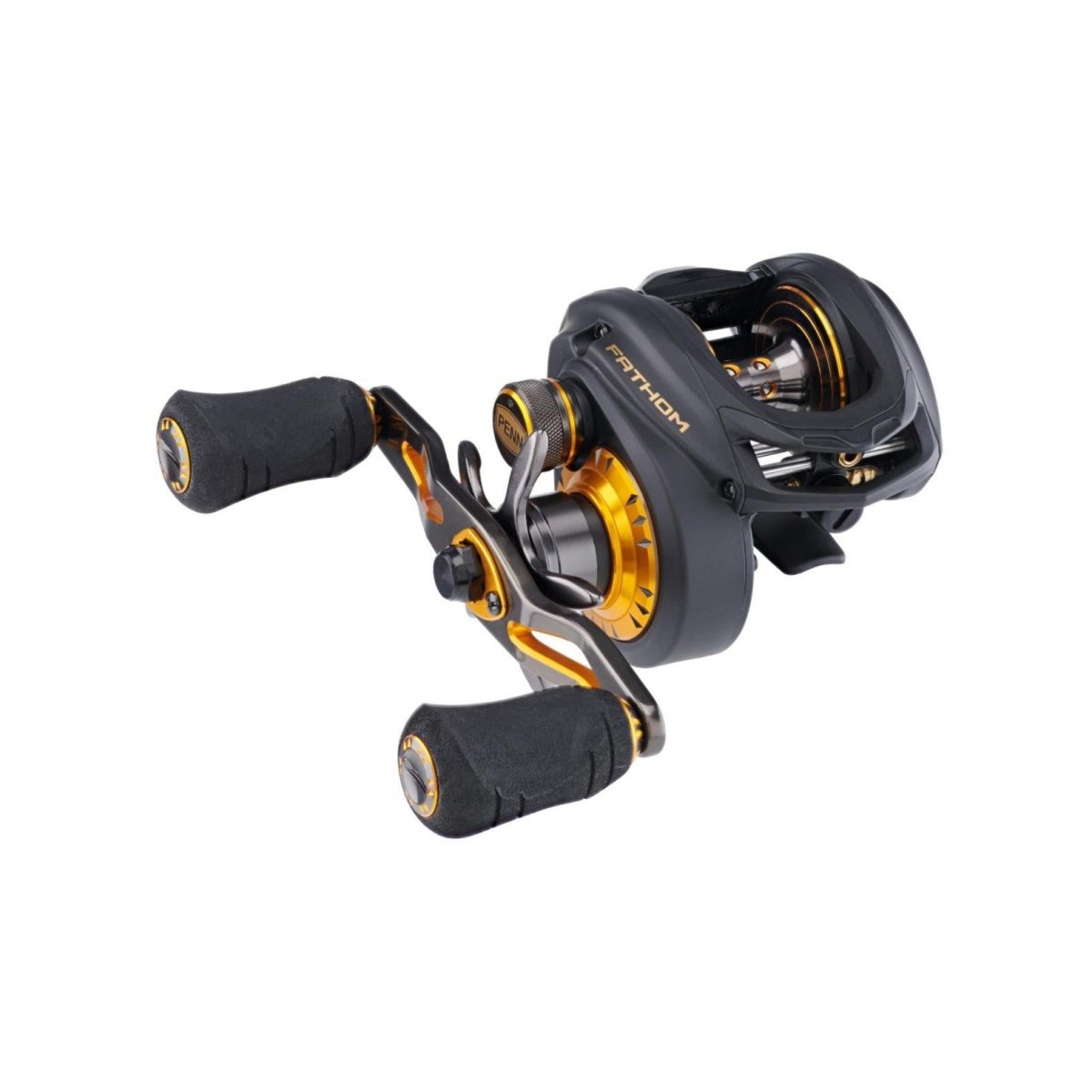
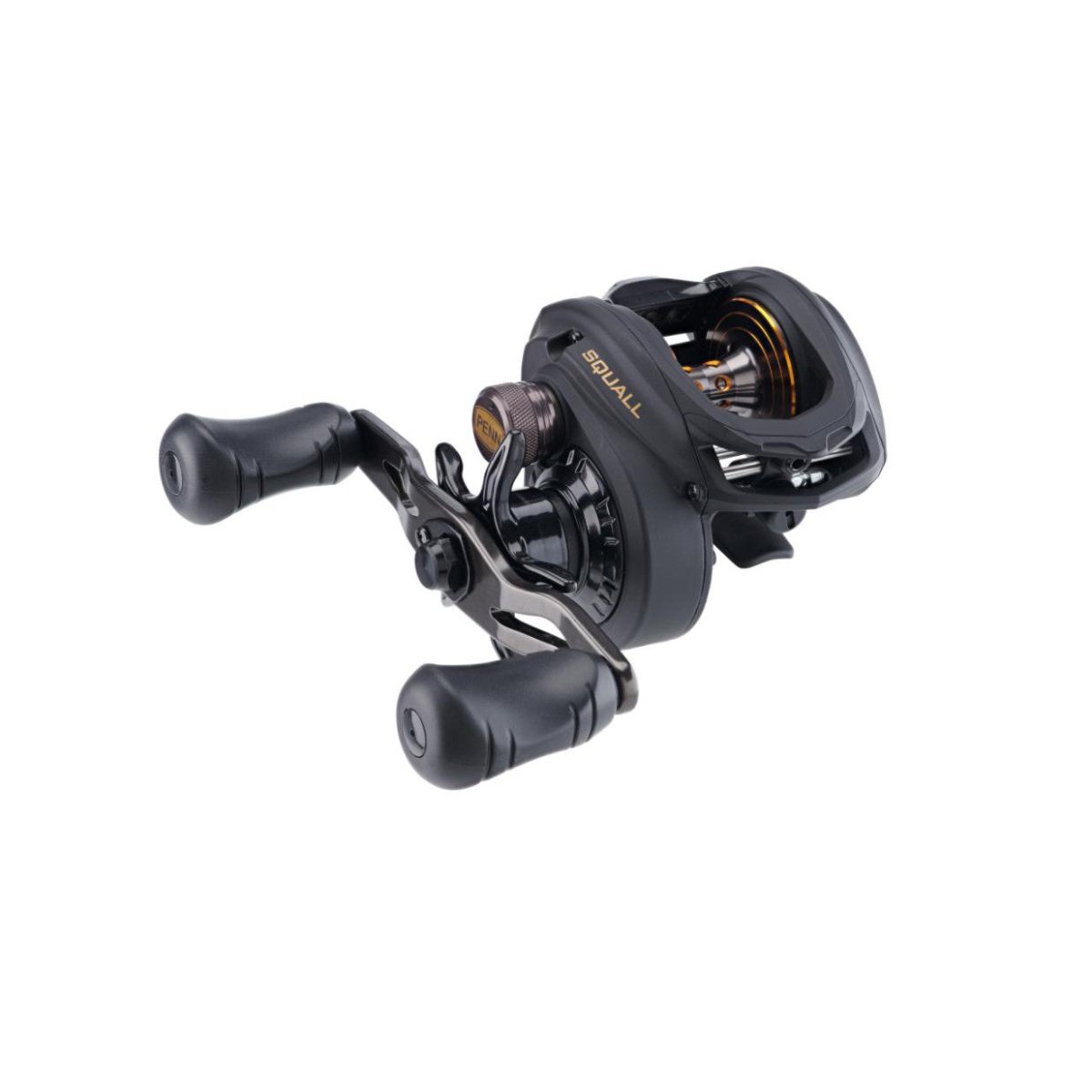
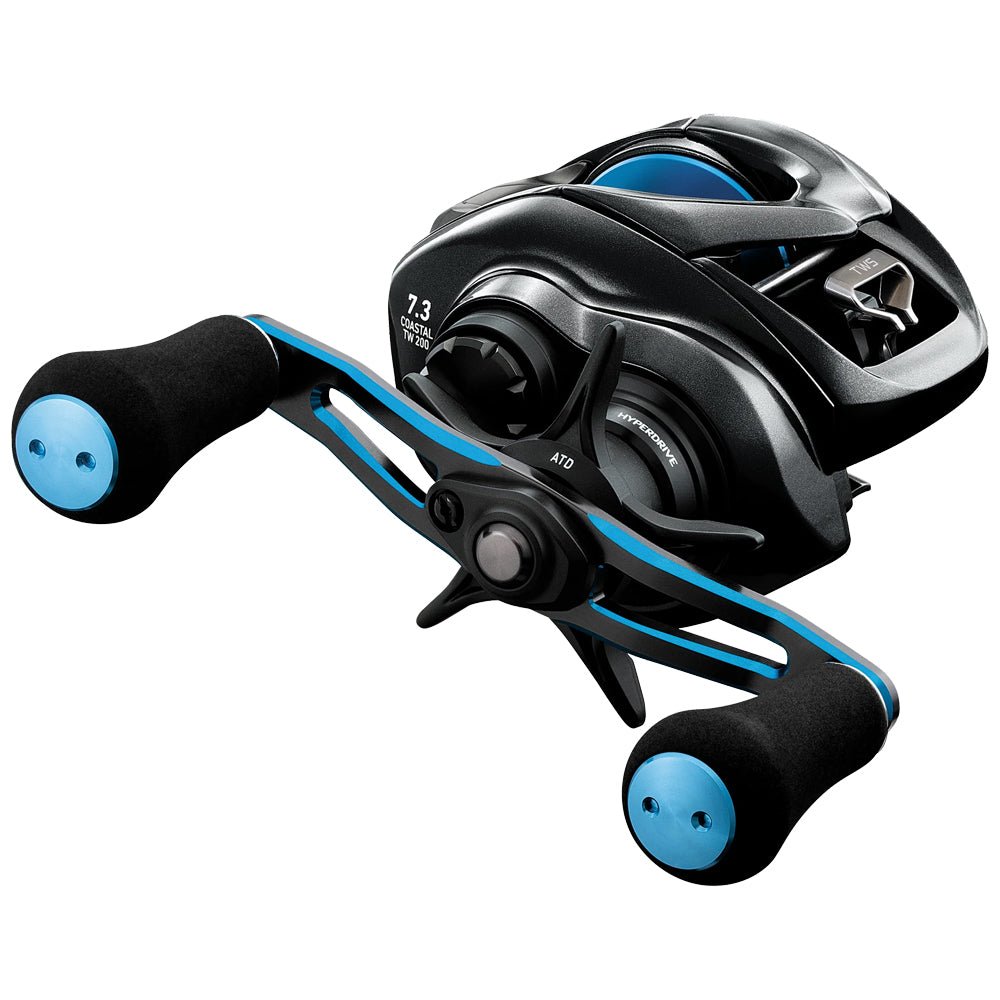
- Baitcasting Reels — Low-profile models with 6.2:1+ gear ratios for precise swimbait work and fast line pick-up
- Finesse Spinning — Lightweight 2000–3000 size reels for ultralight jig head and finesse soft plastic fishing in shallow bays
- High-Speed Retrieve — 6:1 to 7:1 gear ratios for staying in contact with fish that run toward the boat
- Corrosion-Resistant Construction — Sealed bearings and saltwater-grade materials for fishing bays, surf, and open water








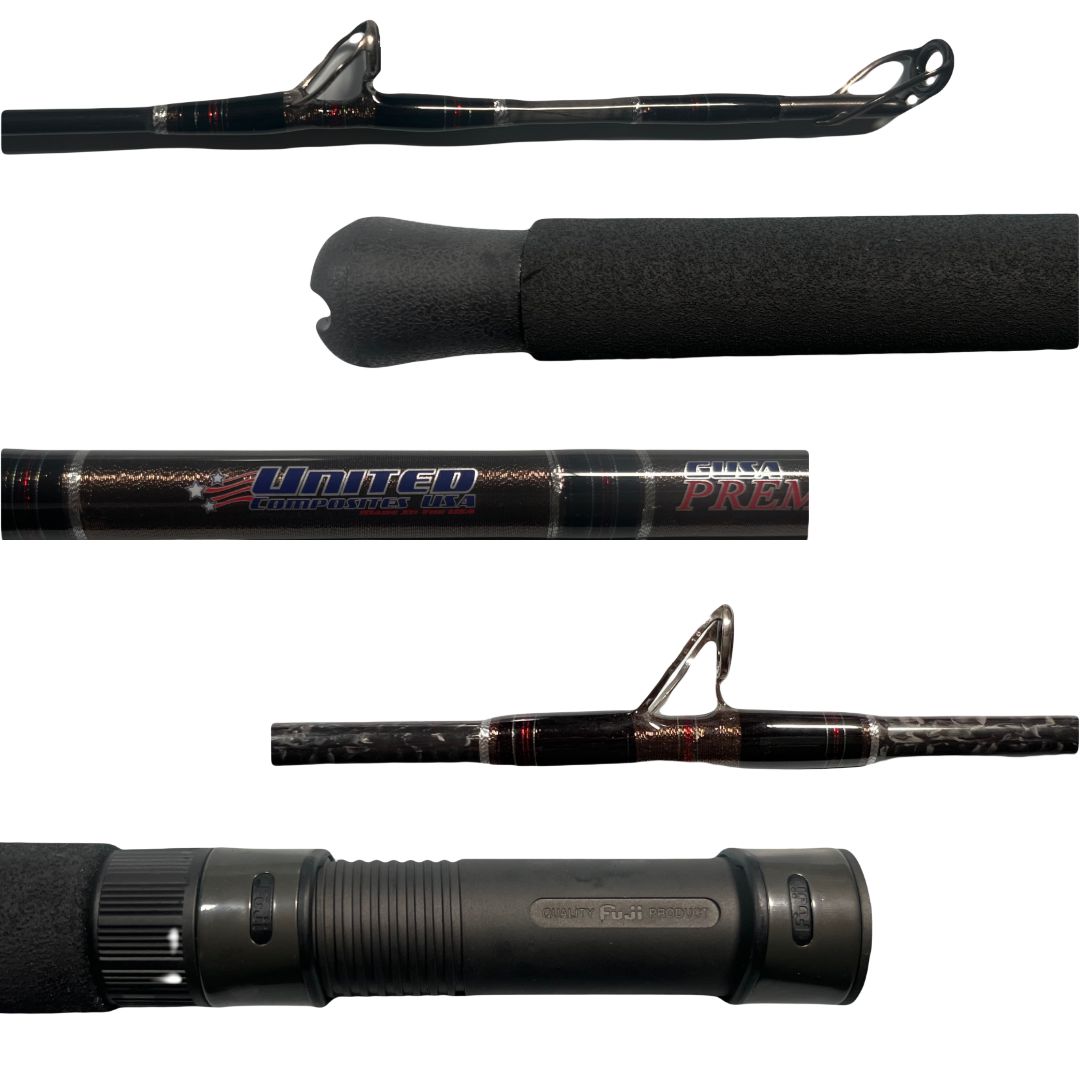
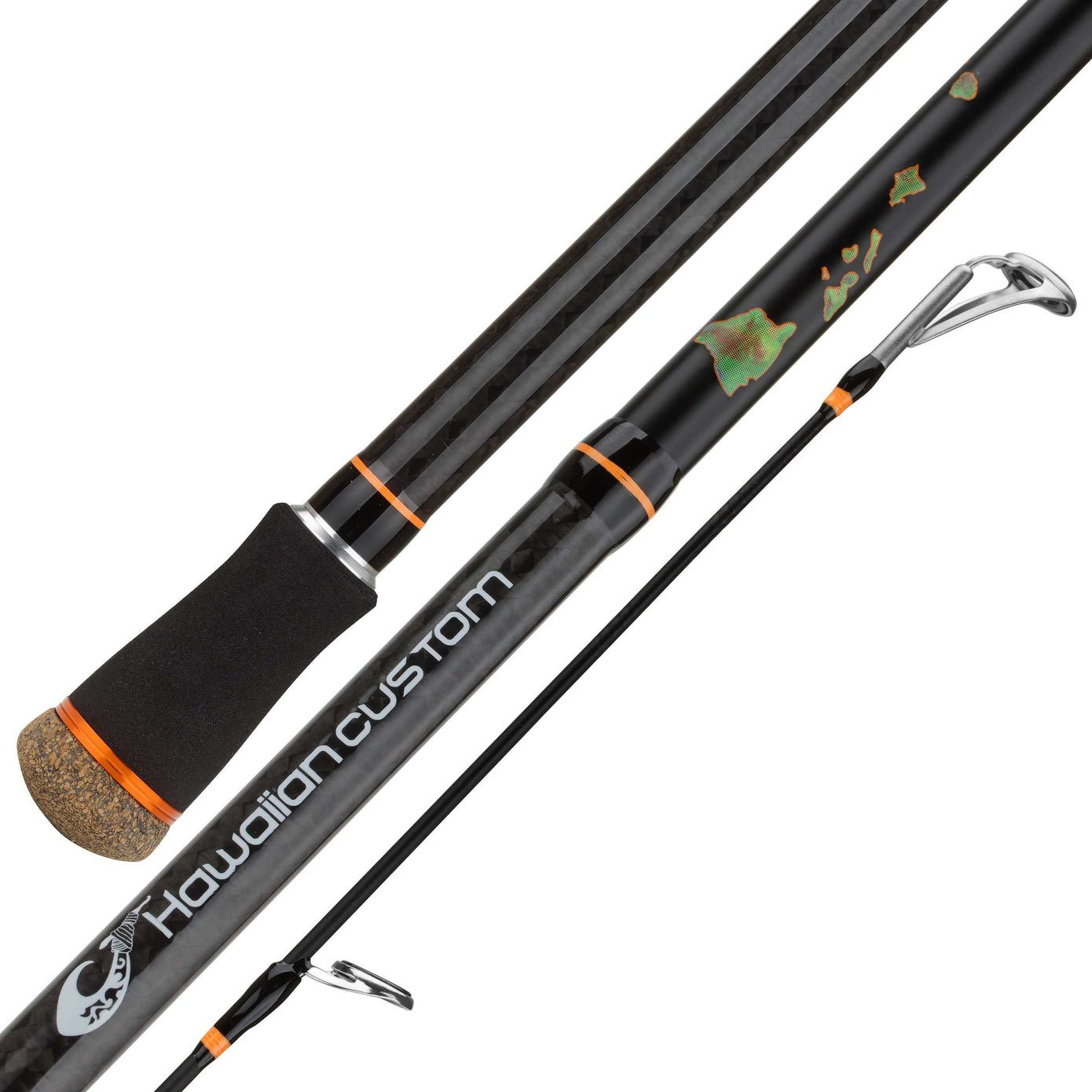
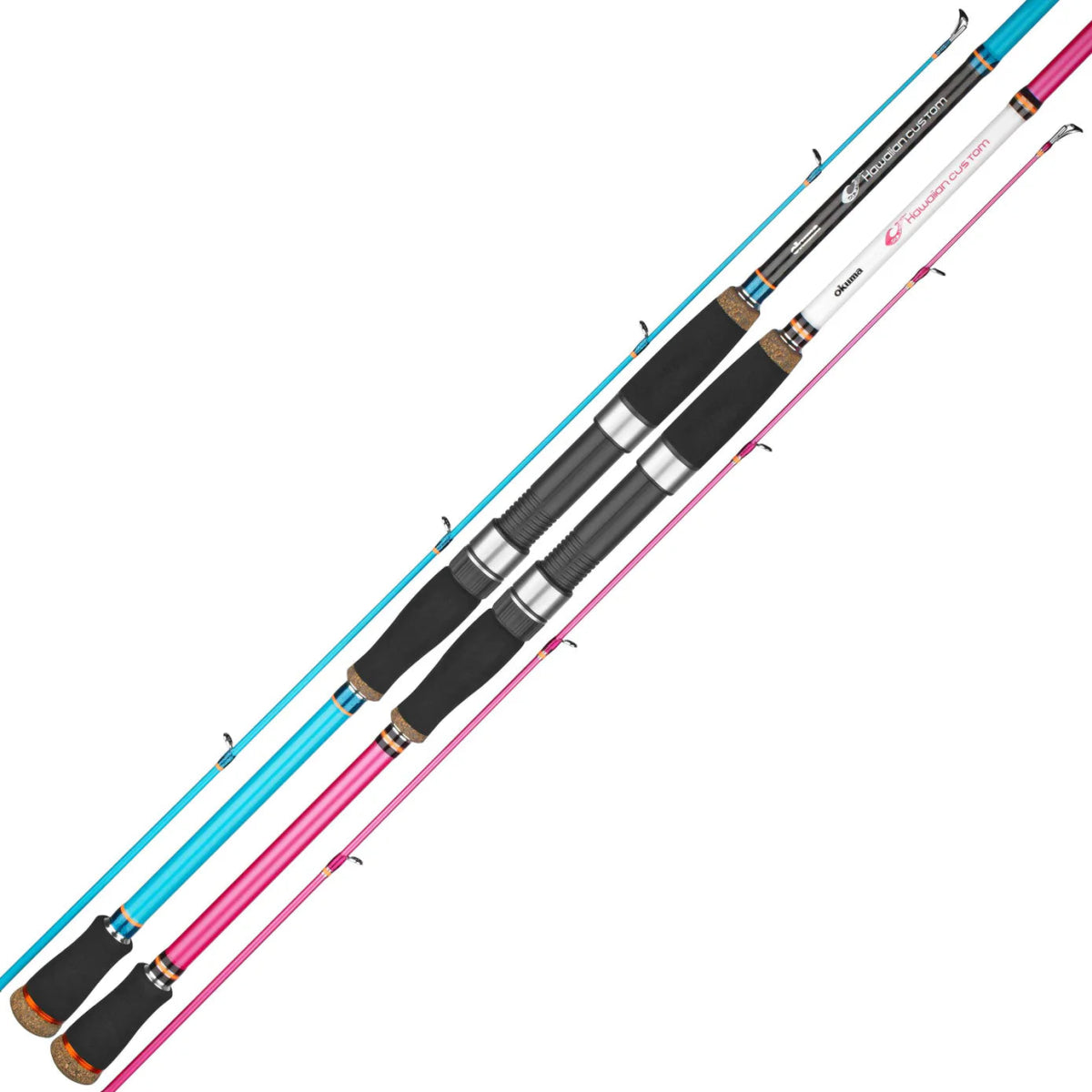
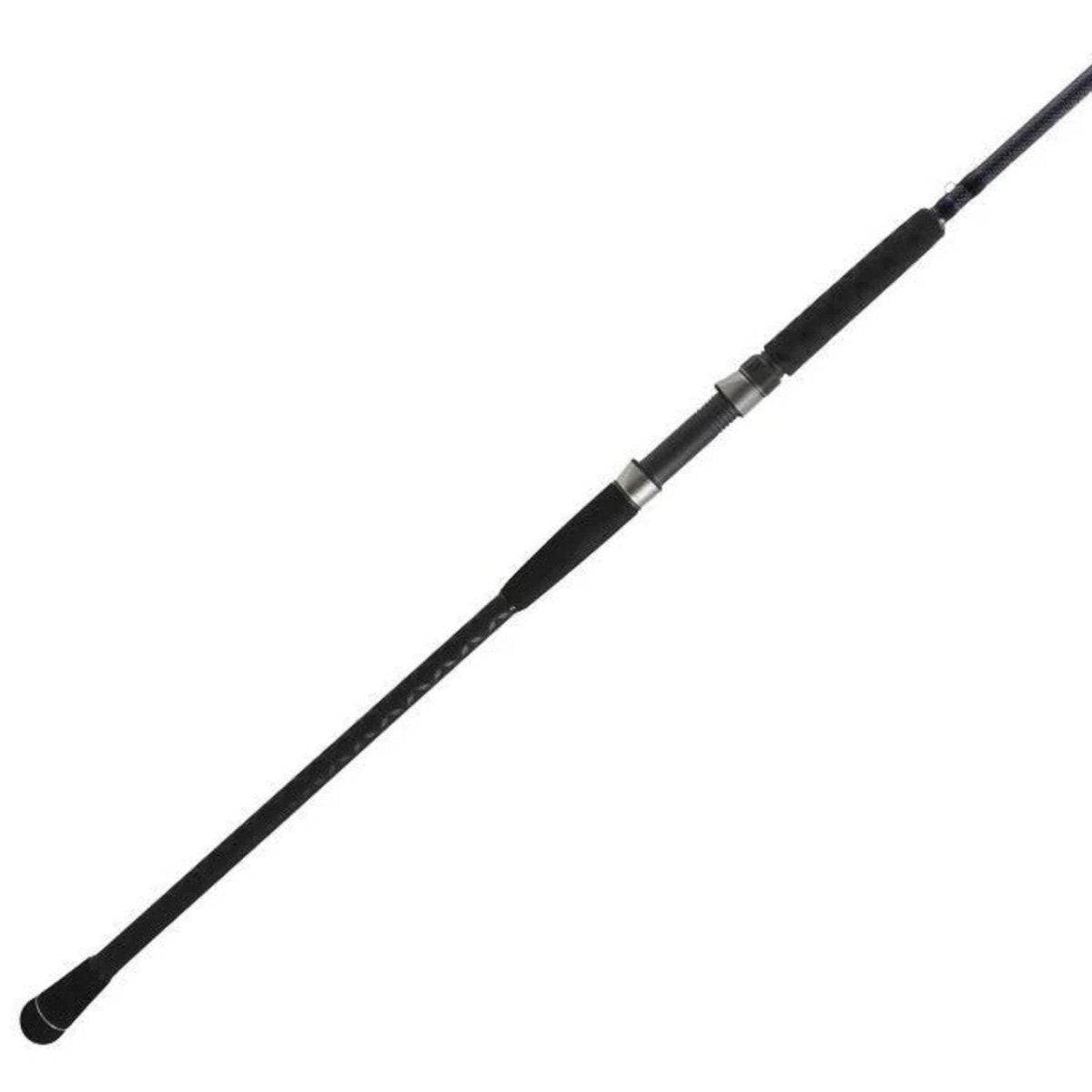
RECOMMENDED RODS


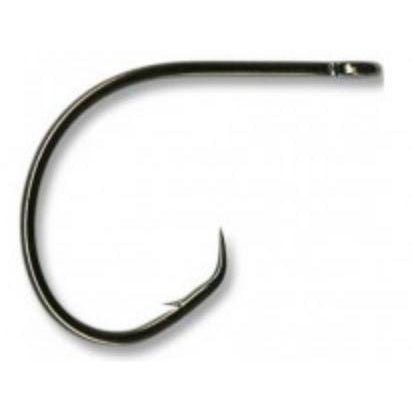
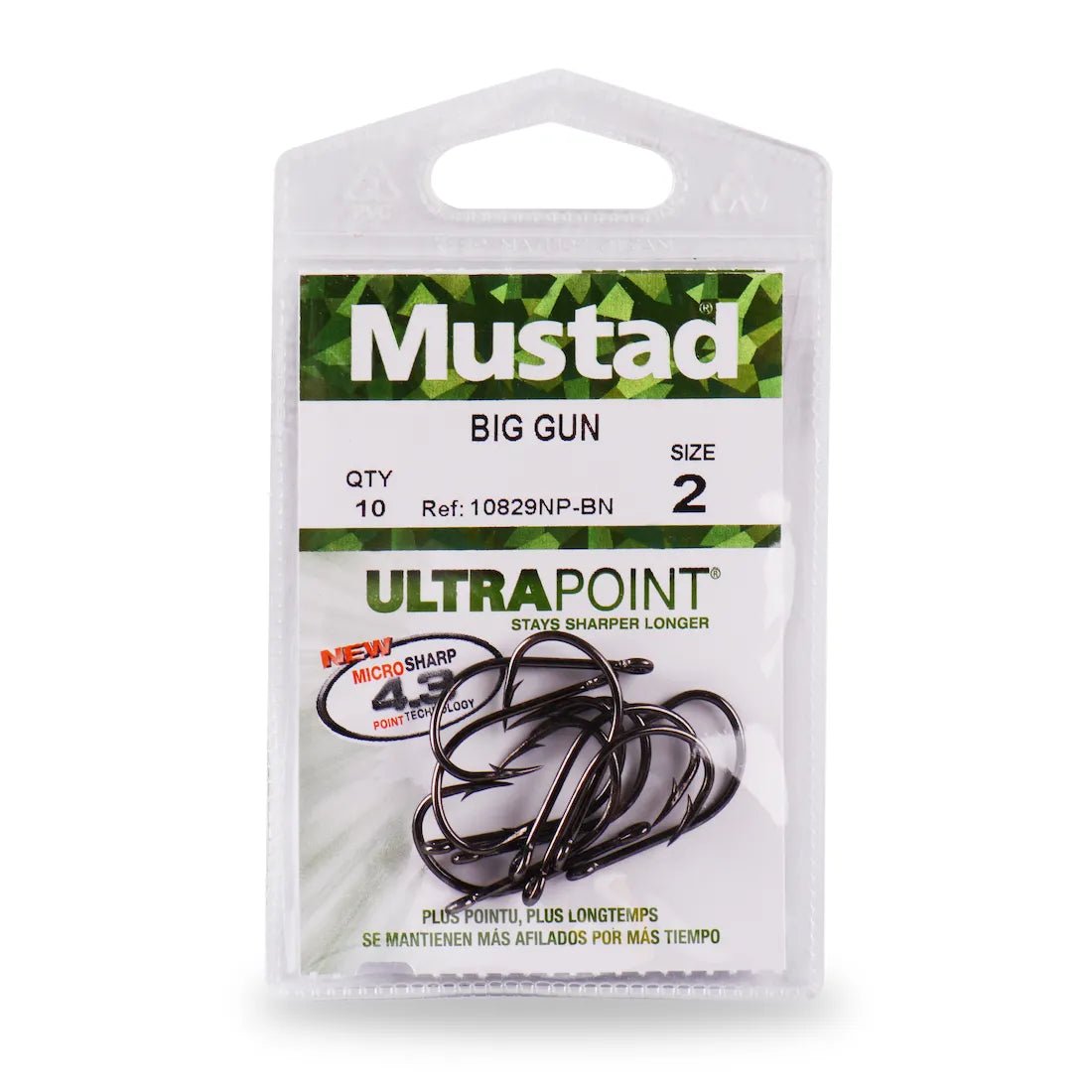
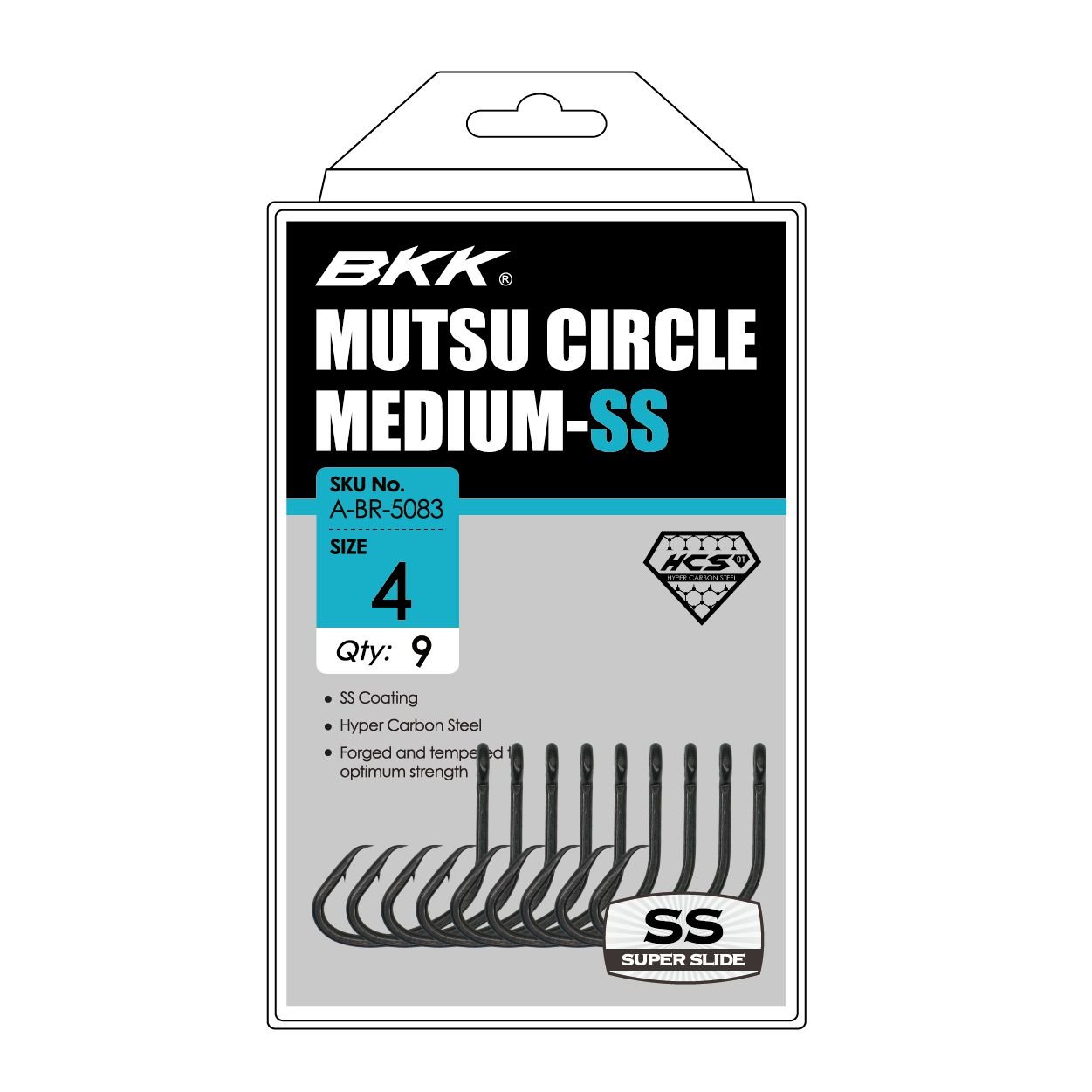
HOOKS & TERMINAL TACKLE


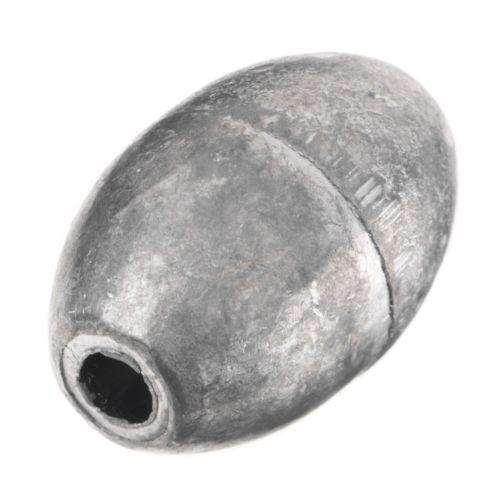
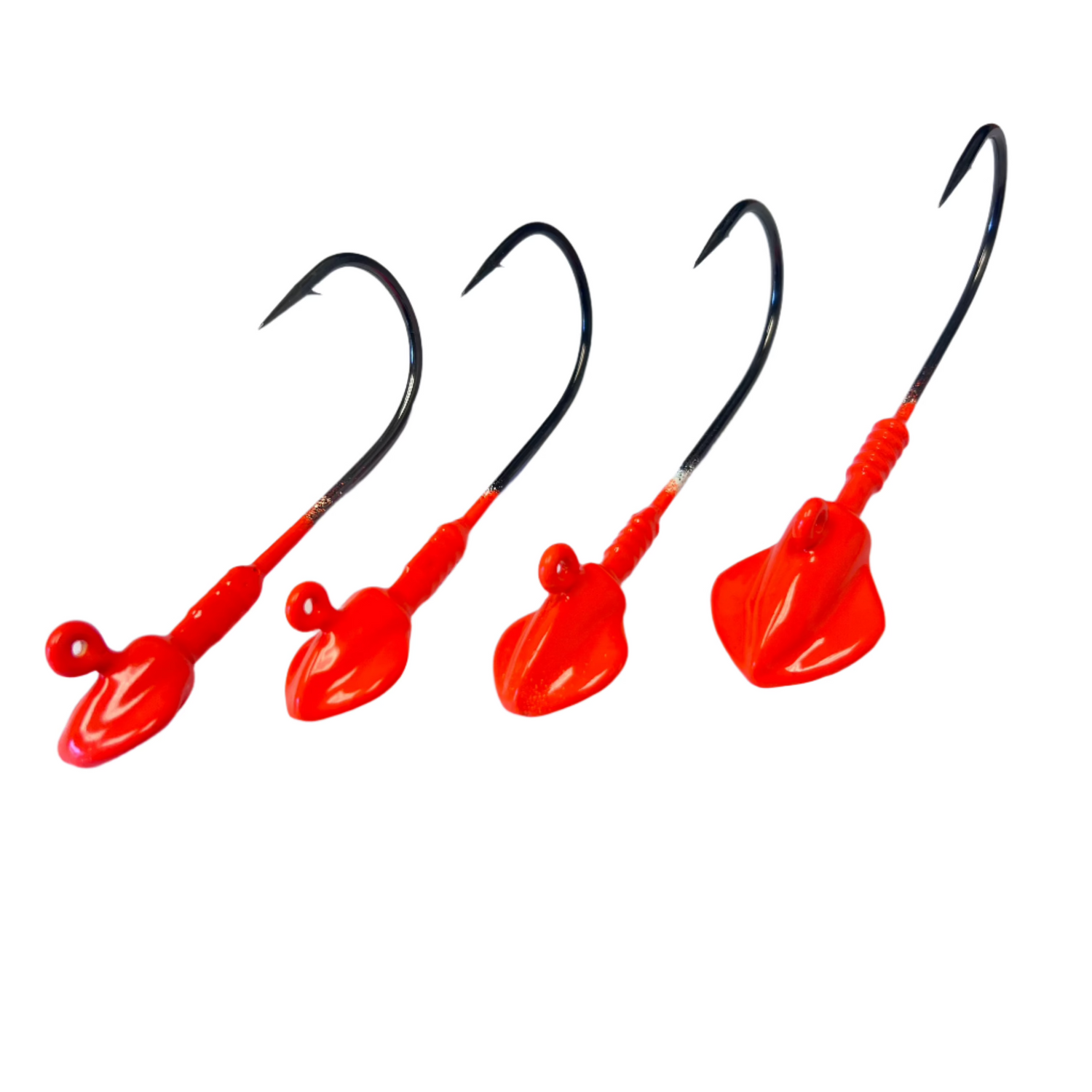
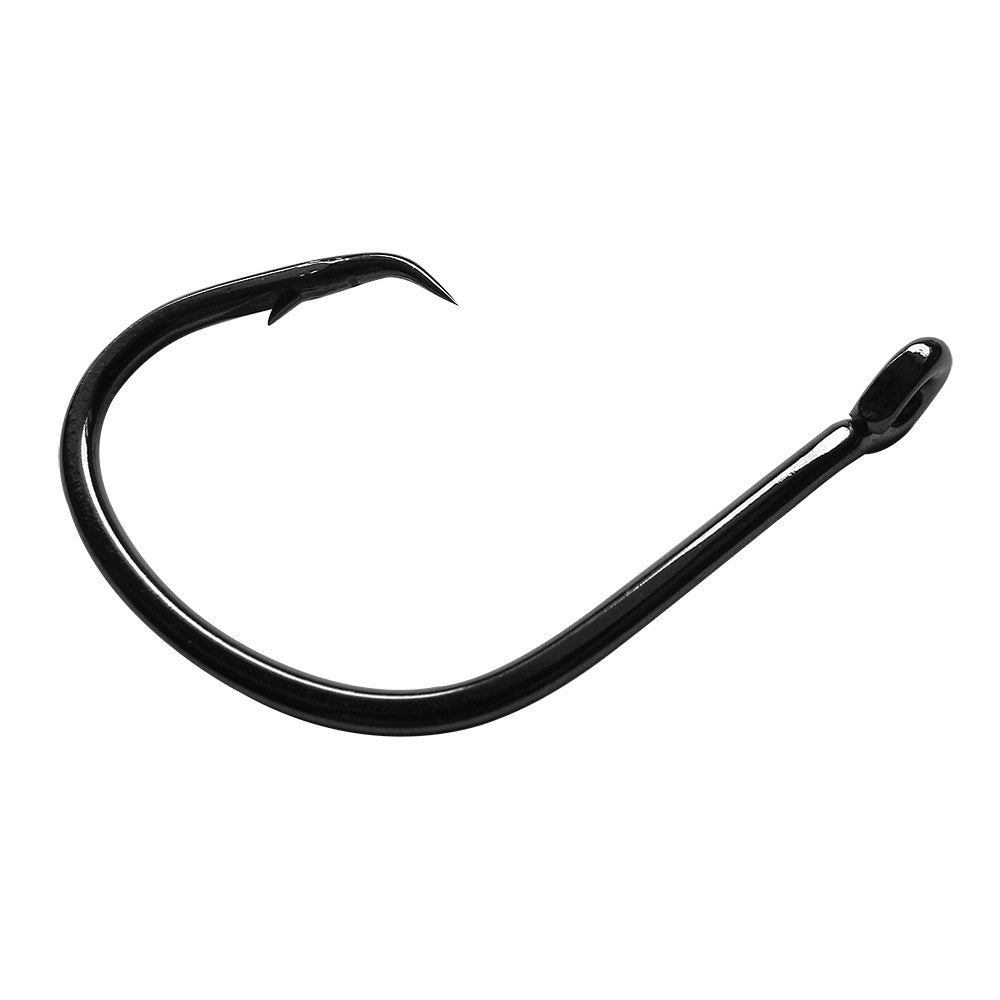

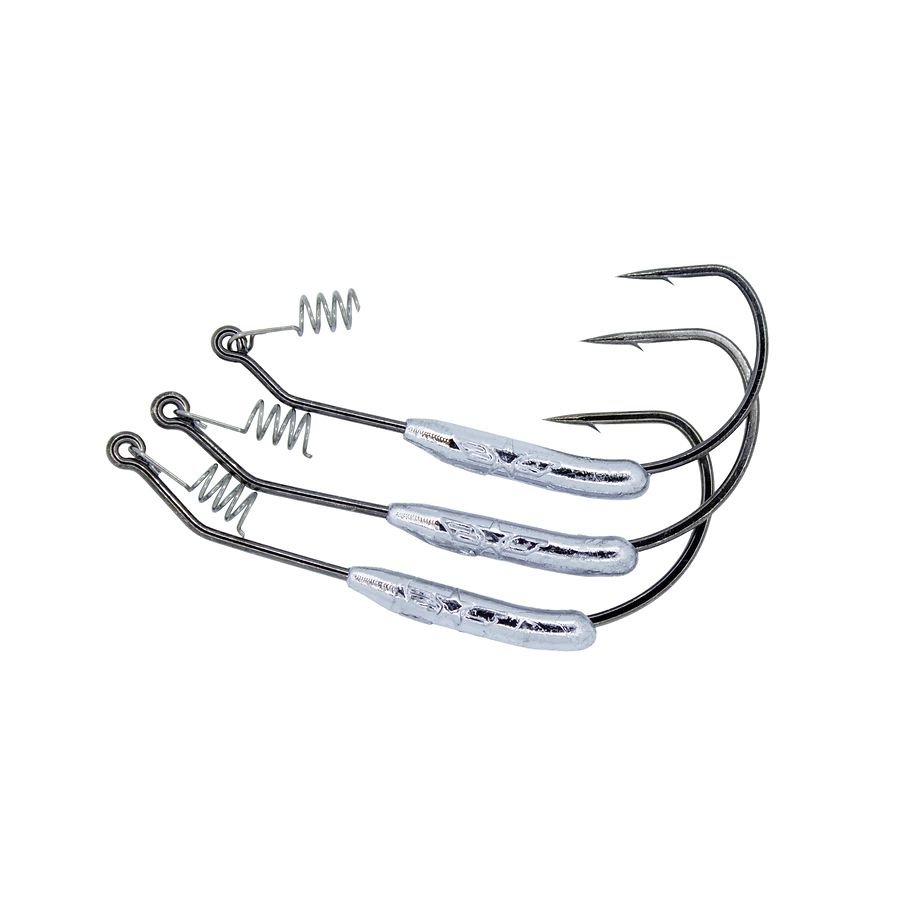
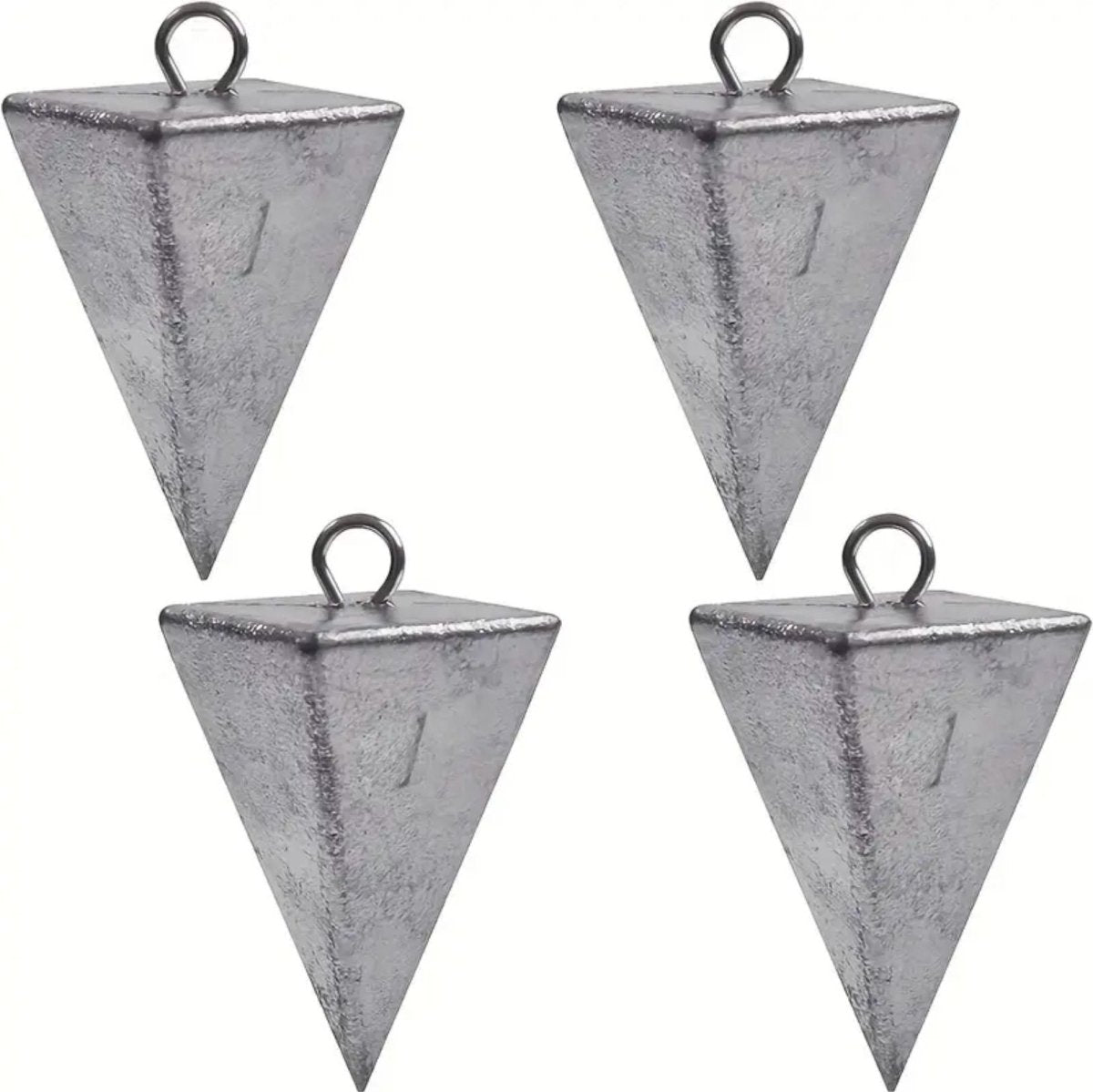
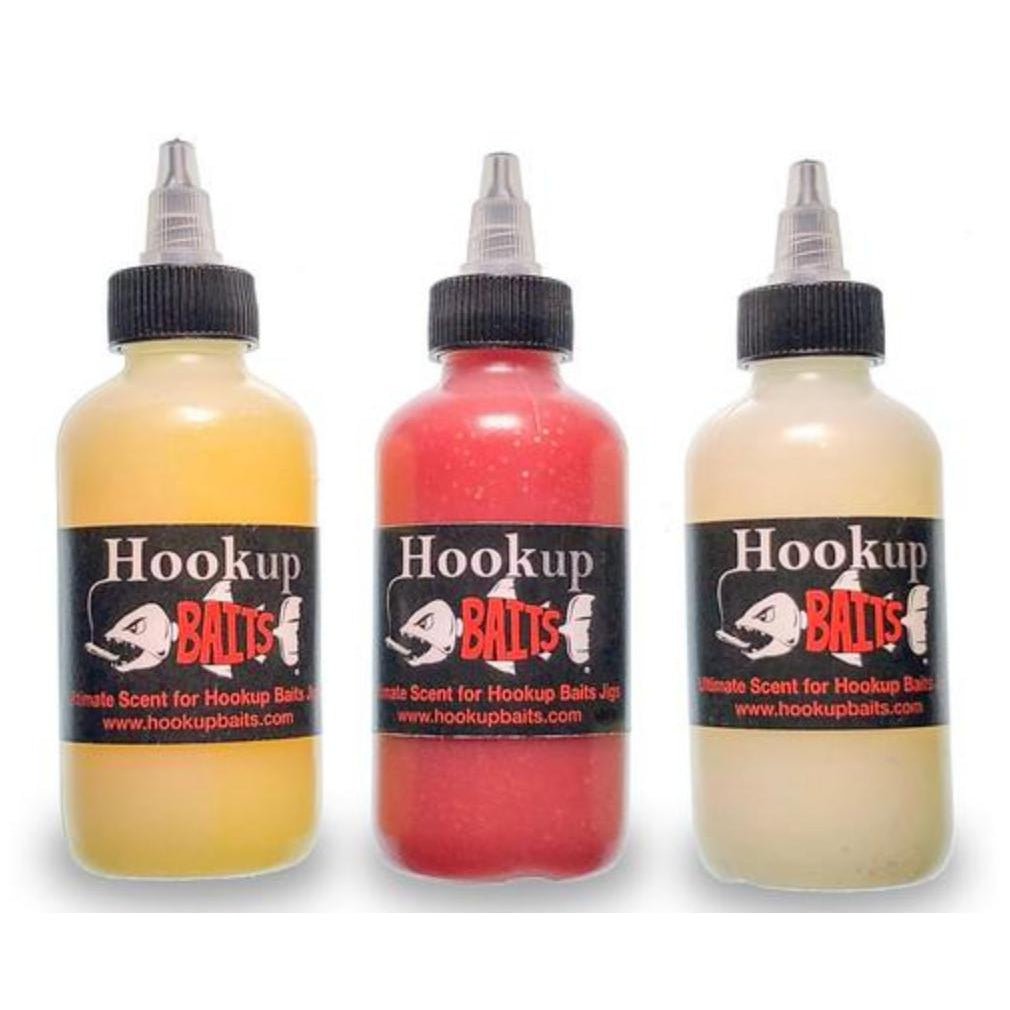


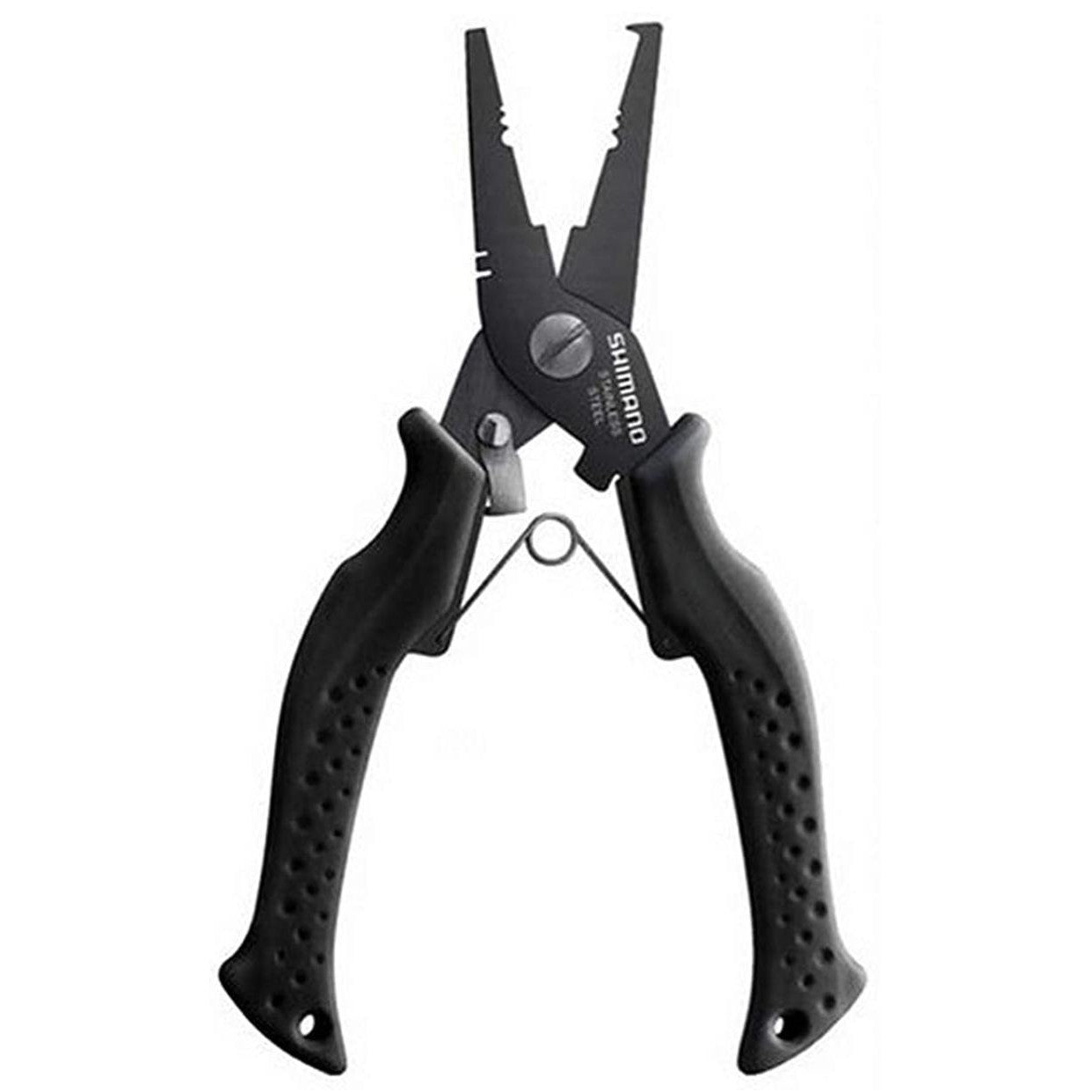
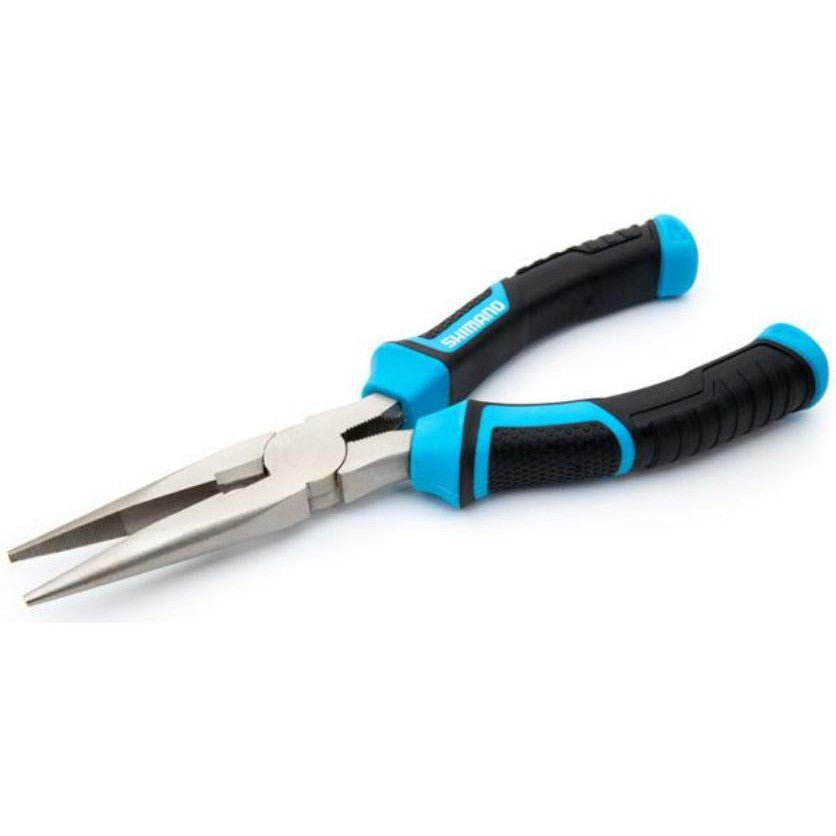
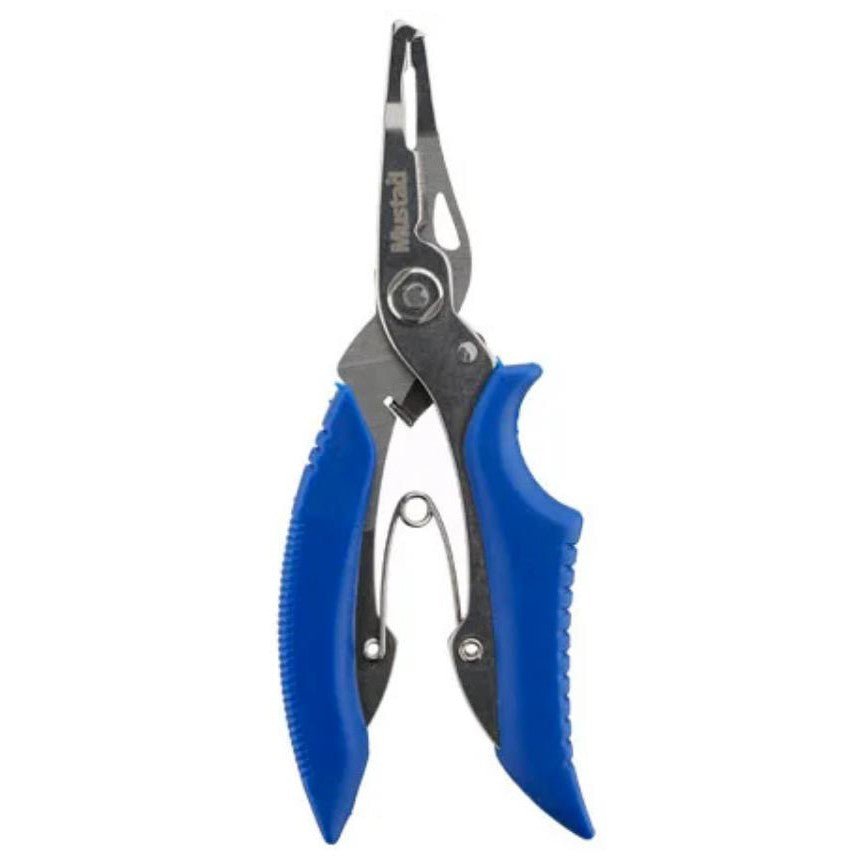
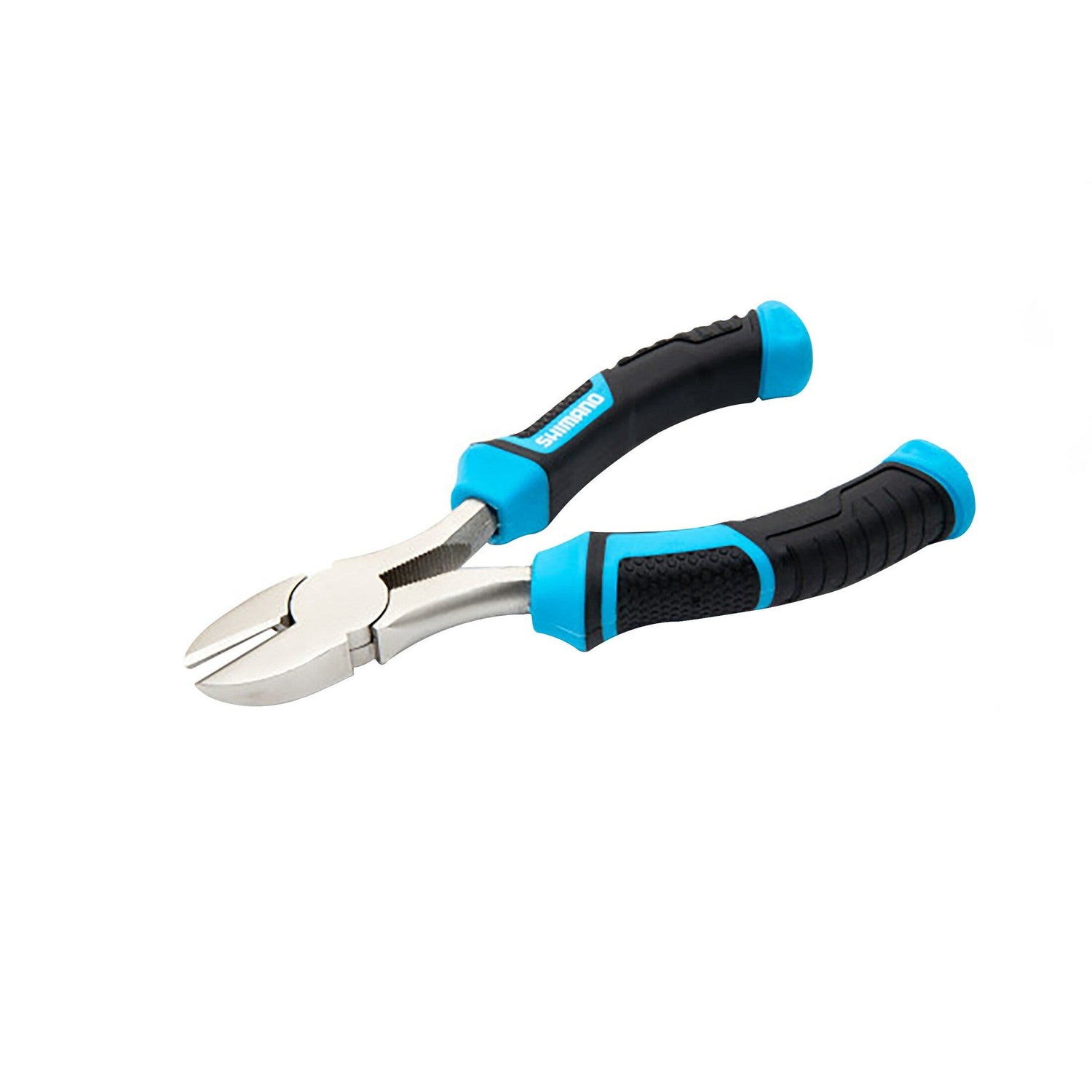
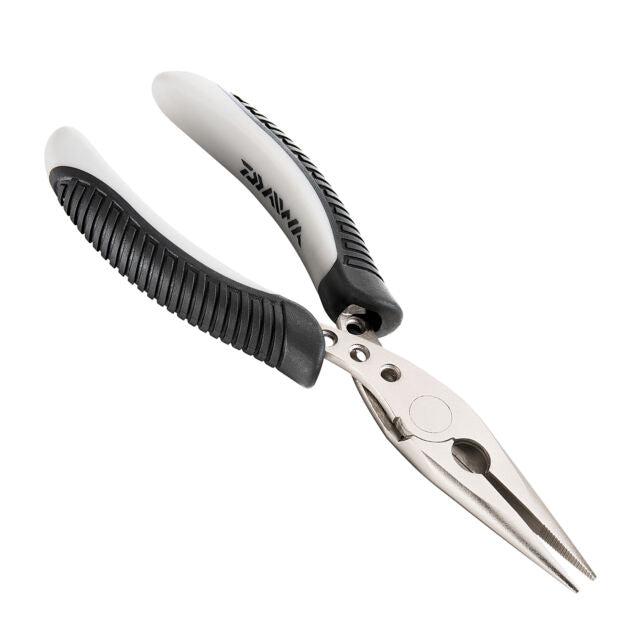
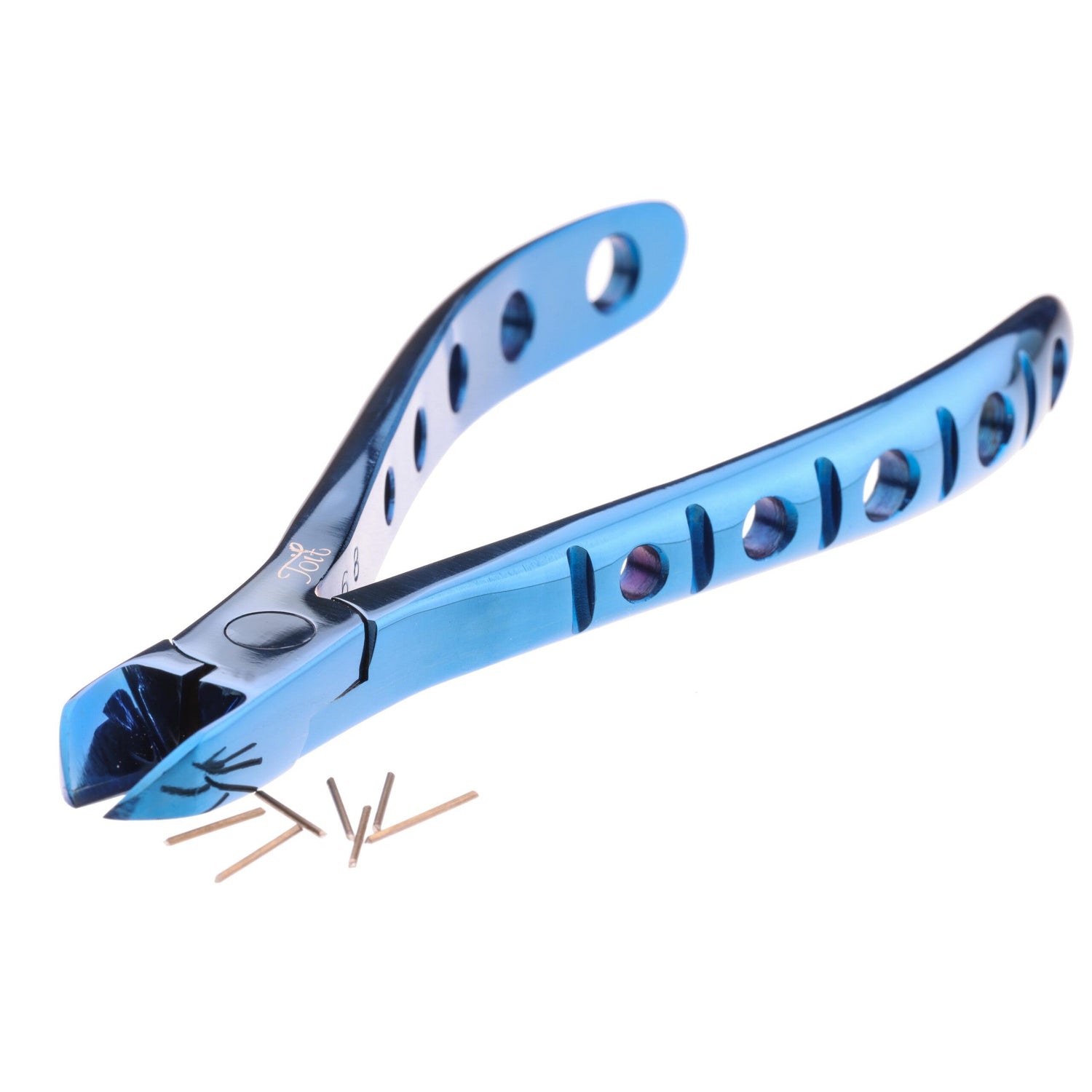
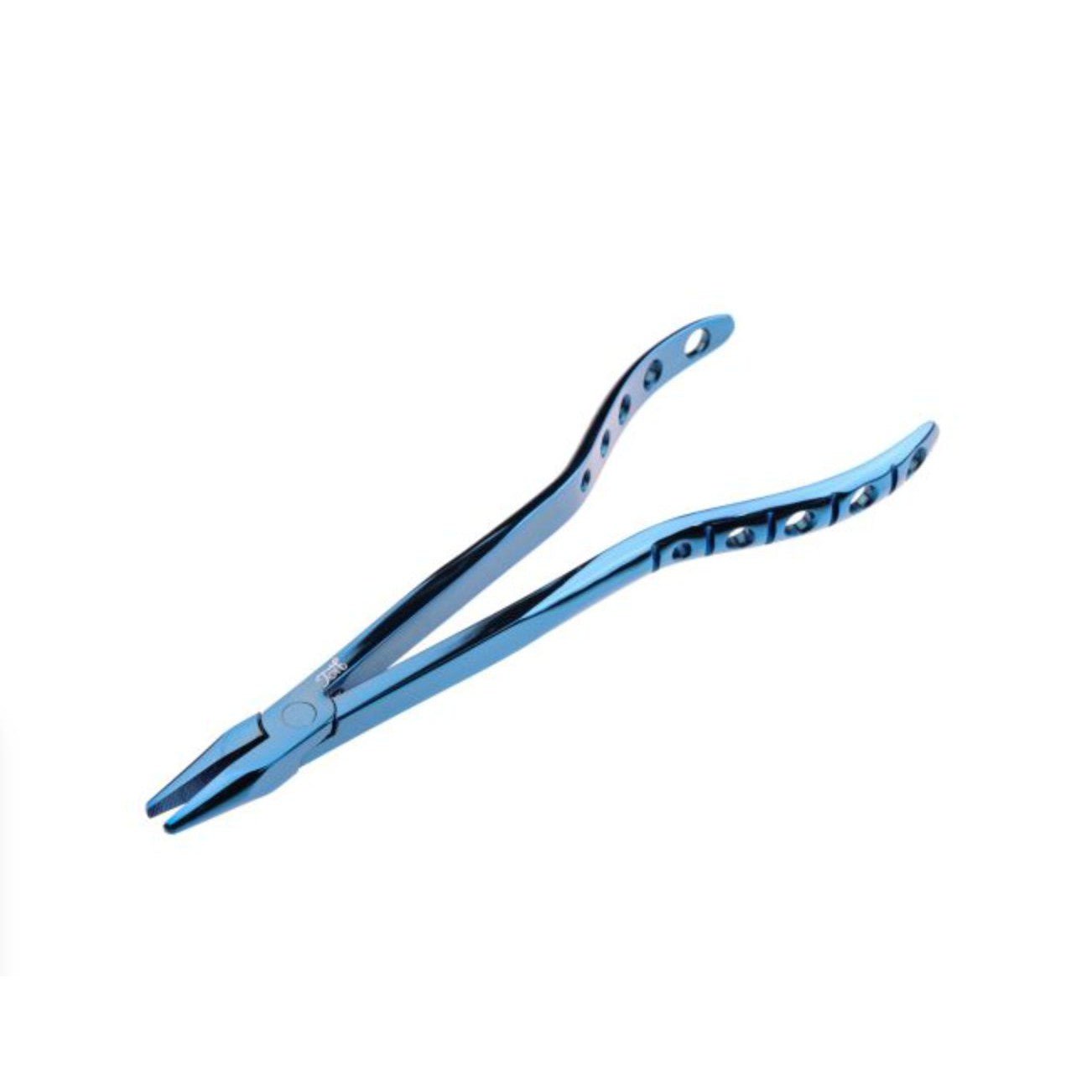
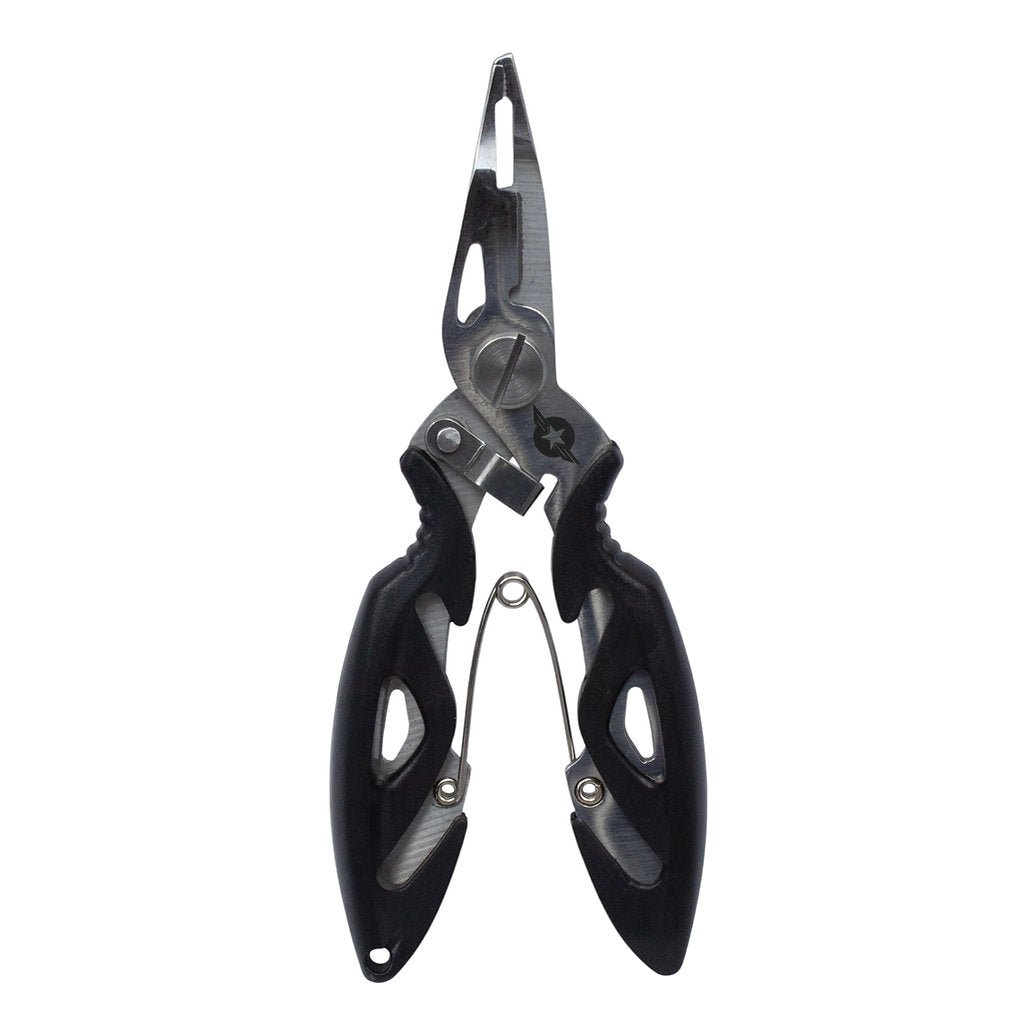
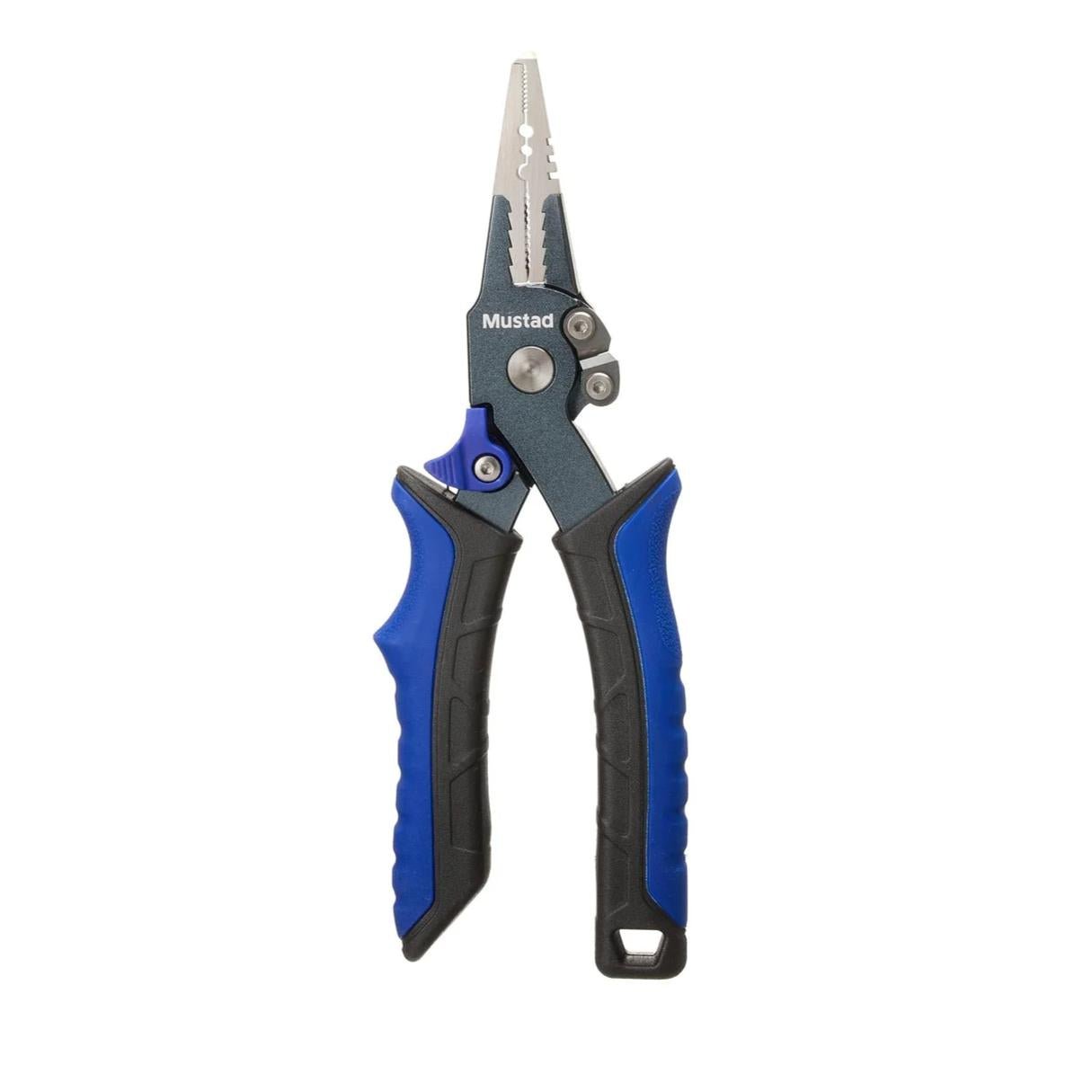
RECOMMENDED TOOLS






California Halibut Fishing — Frequently Asked Questions
A: Live bait is the top producer for California halibut when it's available. Live anchovies and smelt are the go-to options and work year-round. When live bait isn't available, soft plastic swimbaits on jig heads are the most effective artificial option — specifically paddle-tail swimbaits in 4"–6" sizes in white, chartreuse, or natural anchovy colors fished on a 3/4oz to 1oz jig head. Slow-rolling the swimbait just above the sandy bottom is the key technique.
A: The standard California halibut setup is 15–20lb braided line on the main spool with a 20–30" fluorocarbon leader in 15–25lb test. In clear-water conditions (most SoCal bays and surf zones), the fluorocarbon leader is critical — halibut can be very leader-shy. Use lighter leader (15lb) when bites are hard to come by, and heavier leader (25–30lb) when trophy fish or rougher bottom structure are in play.
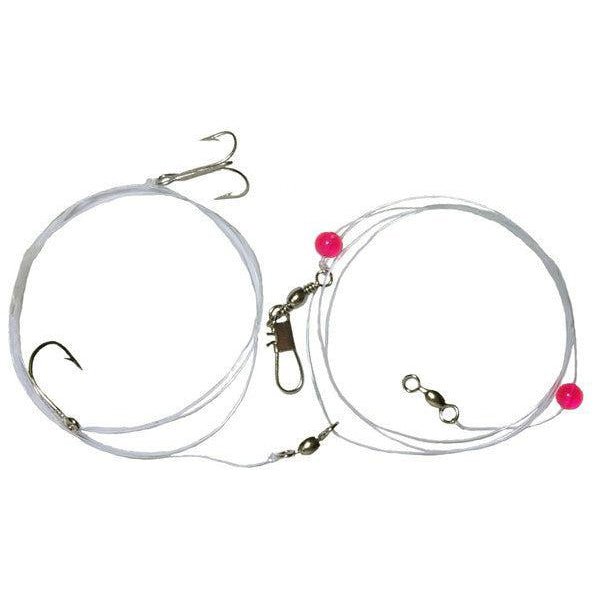
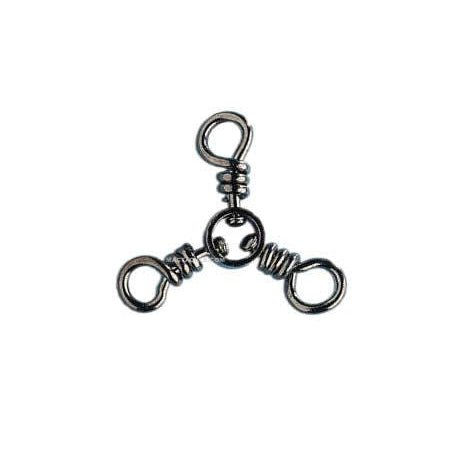
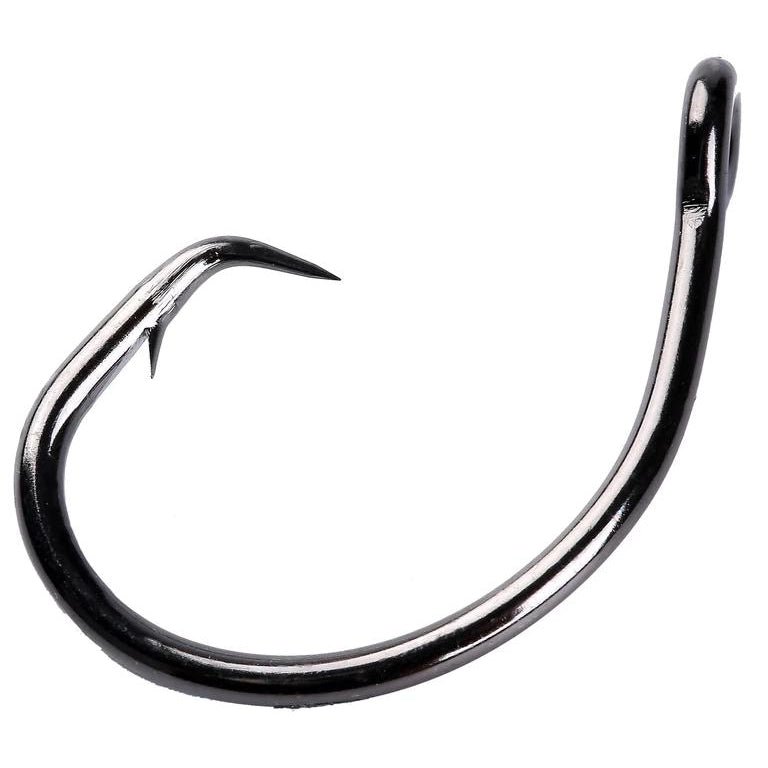
A: Hook size depends on your presentation. For soft plastic swimbaits: 2/0–4/0 offset EWG hooks or weighted swimbait hooks. For live bait rigs (anchovies, smelt): 1/0–2/0 circle hooks or flyline-style hooks. For Carolina rig live bait setups: 1/0–3/0 circle hooks allow the fish to turn the bait and self-hook. Avoid hooks that are too small for the bait size — halibut have wide mouths and can inhale a surprisingly large bait.
A: California halibut are found throughout SoCal's sandy bays, nearshore flats, and beach zones. Key locations include: Santa Monica Bay (especially the flats off Malibu and Santa Monica Pier), Huntington Flats and Bolsa Chica, Newport Bay, Oceanside, Mission Bay, and San Diego Bay. From a boat, look for sandy transitions between structure breaks and open bottom in 10–40 feet of water. From shore, fish sandy beach zones with a pronounced trough or inside ledge, or work pier pilings where halibut ambush bait schools.
A: The current California sport fishing regulation requires California halibut to be a minimum of 22 inches total length to keep. The bag limit is 5 fish per person per day. Regulations can change — always verify current rules at wildlife.ca.gov before your trip. Note: these regulations apply to California state waters. If fishing federal waters, check CDFW for any variations.
Disclaimer: Always verify current regulations with the California Department of Fish and Wildlife before fishing. Tackle Express is not responsible for regulatory changes.
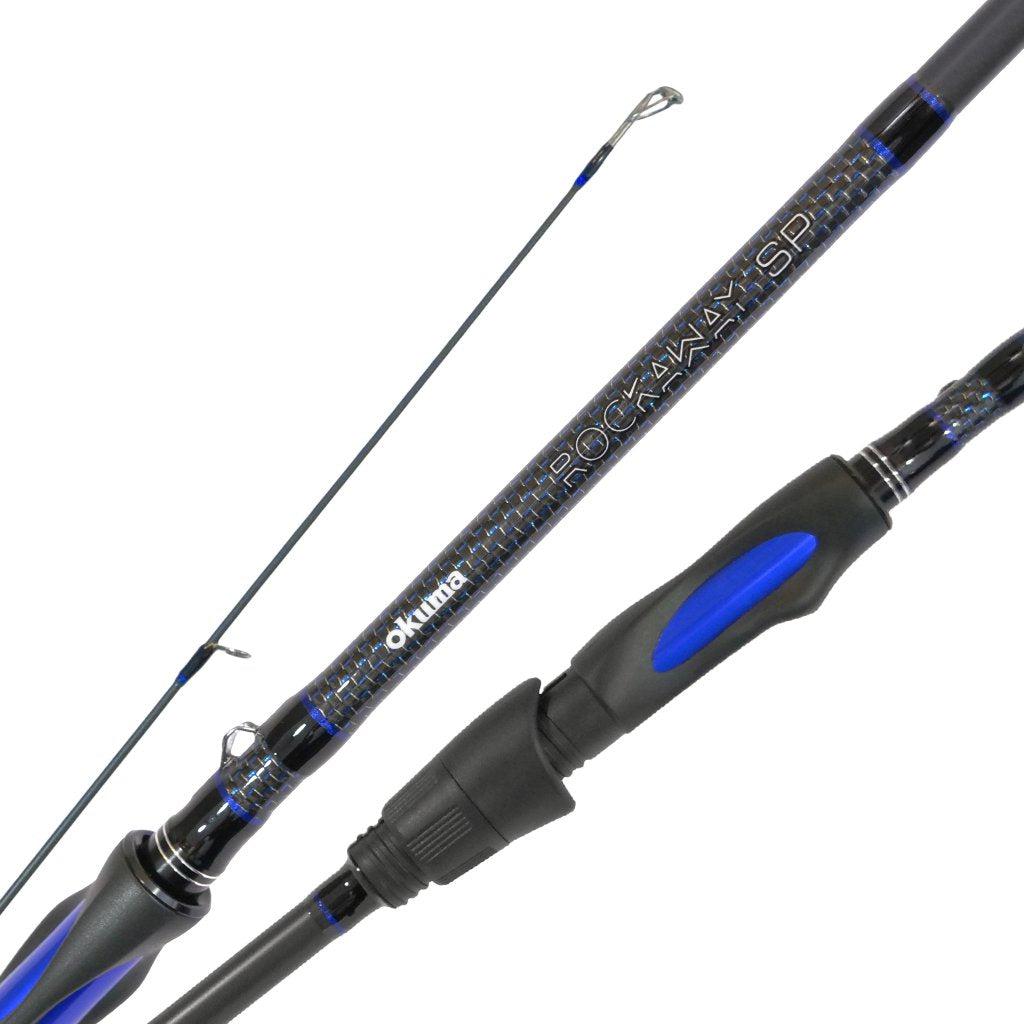
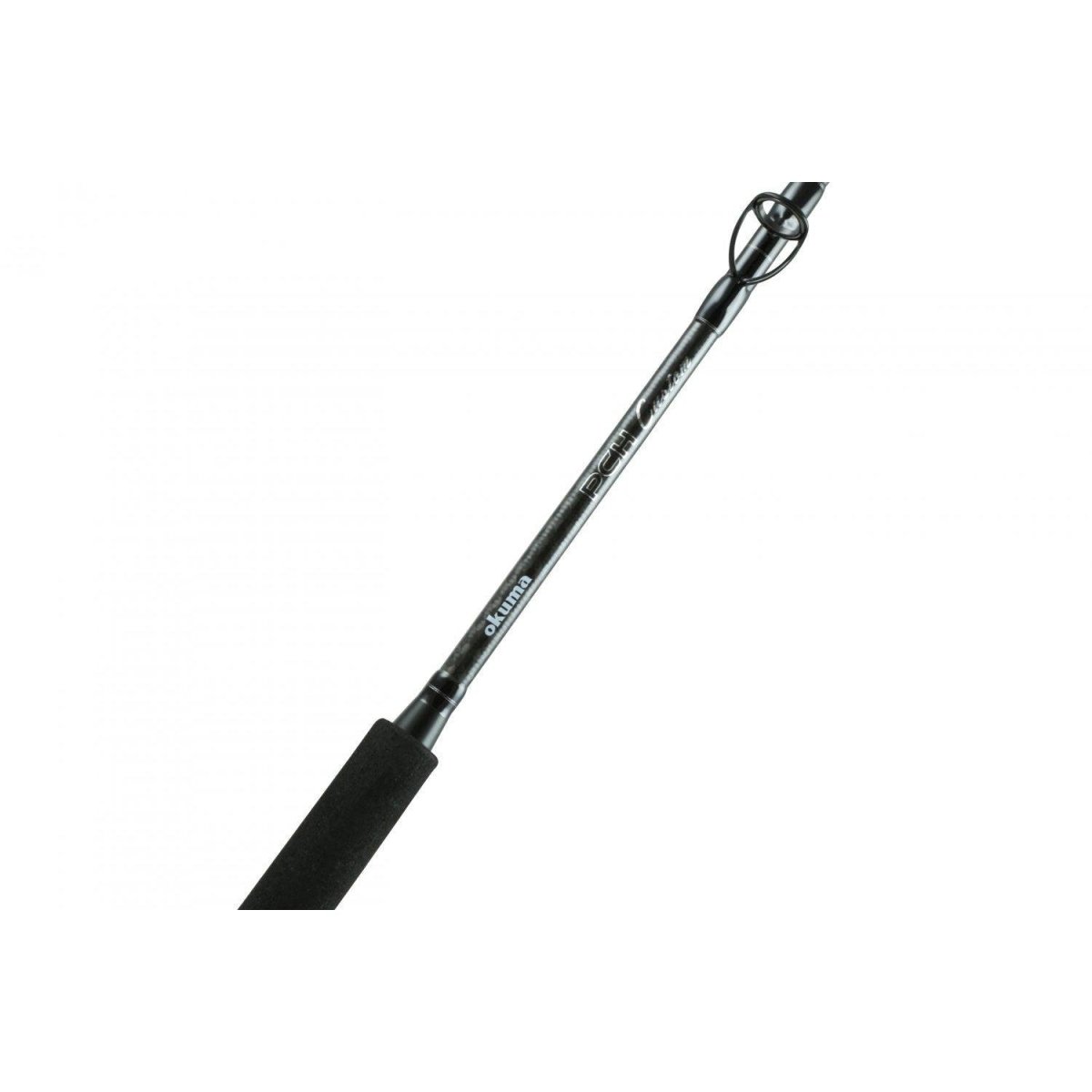
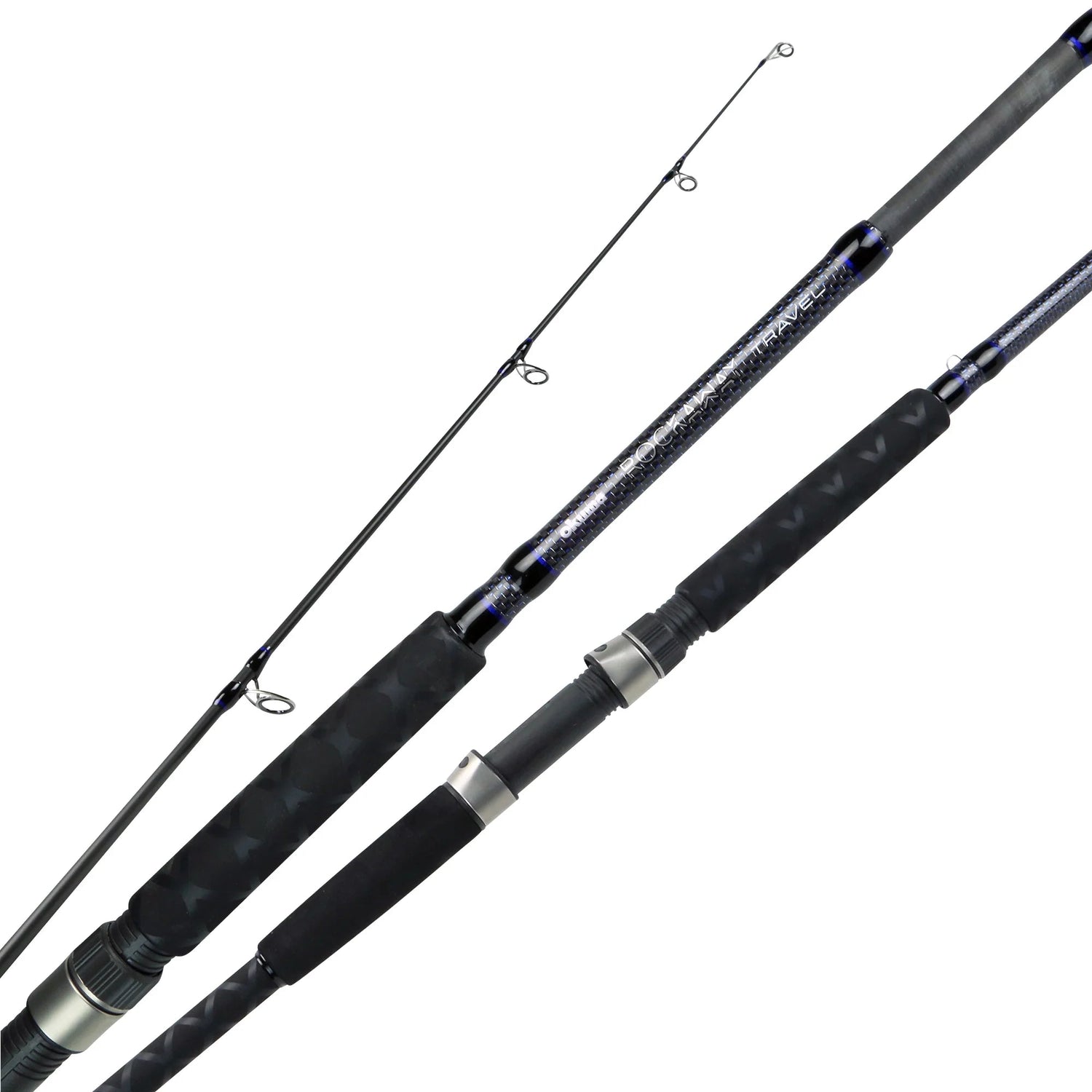
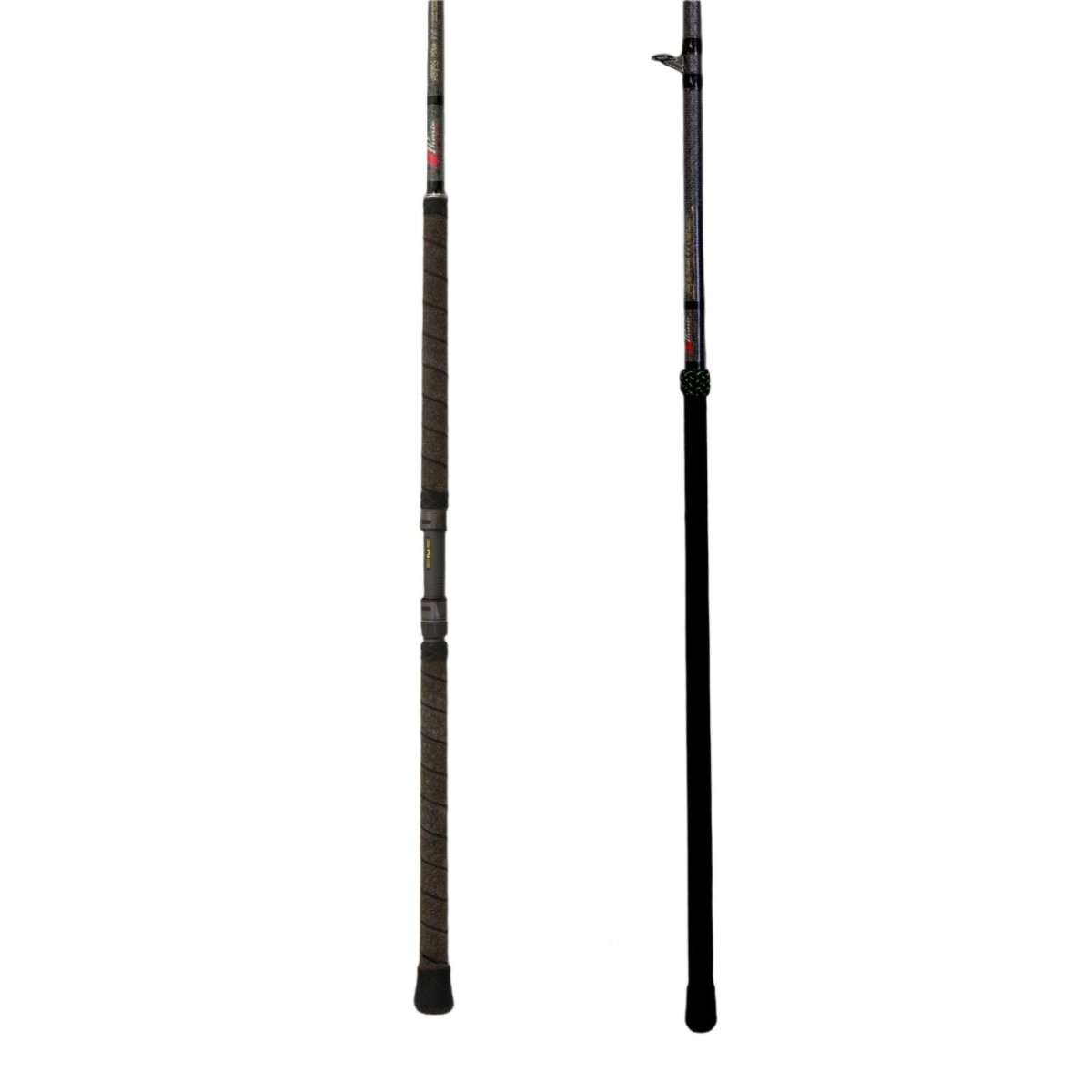
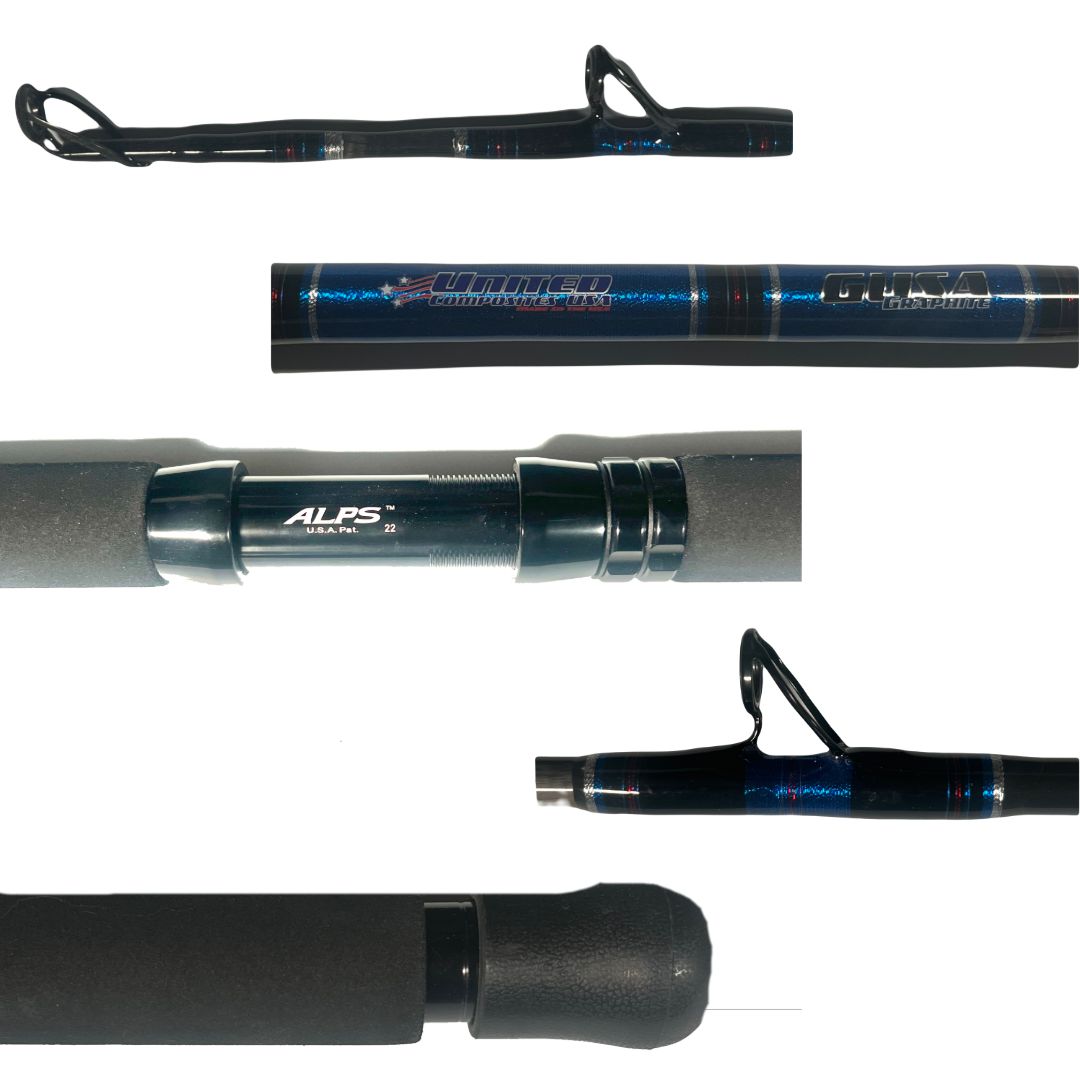
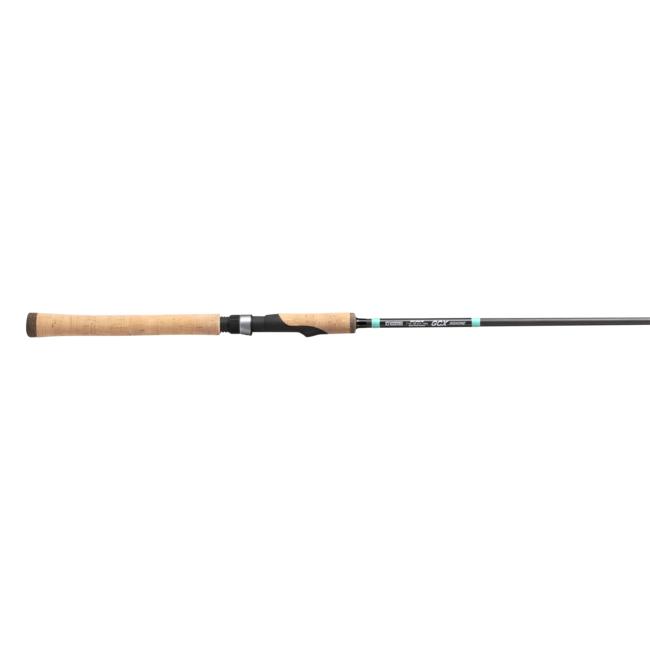
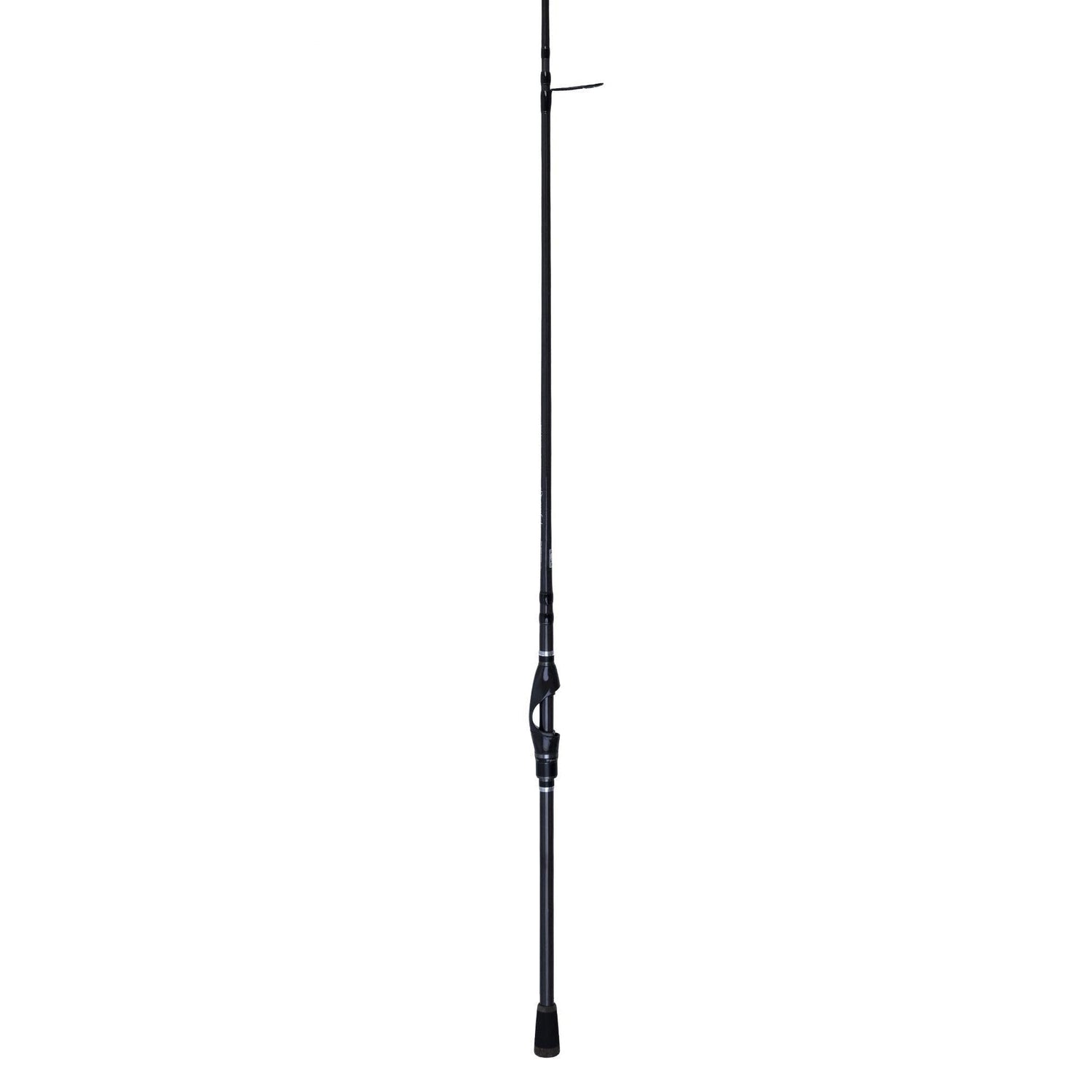
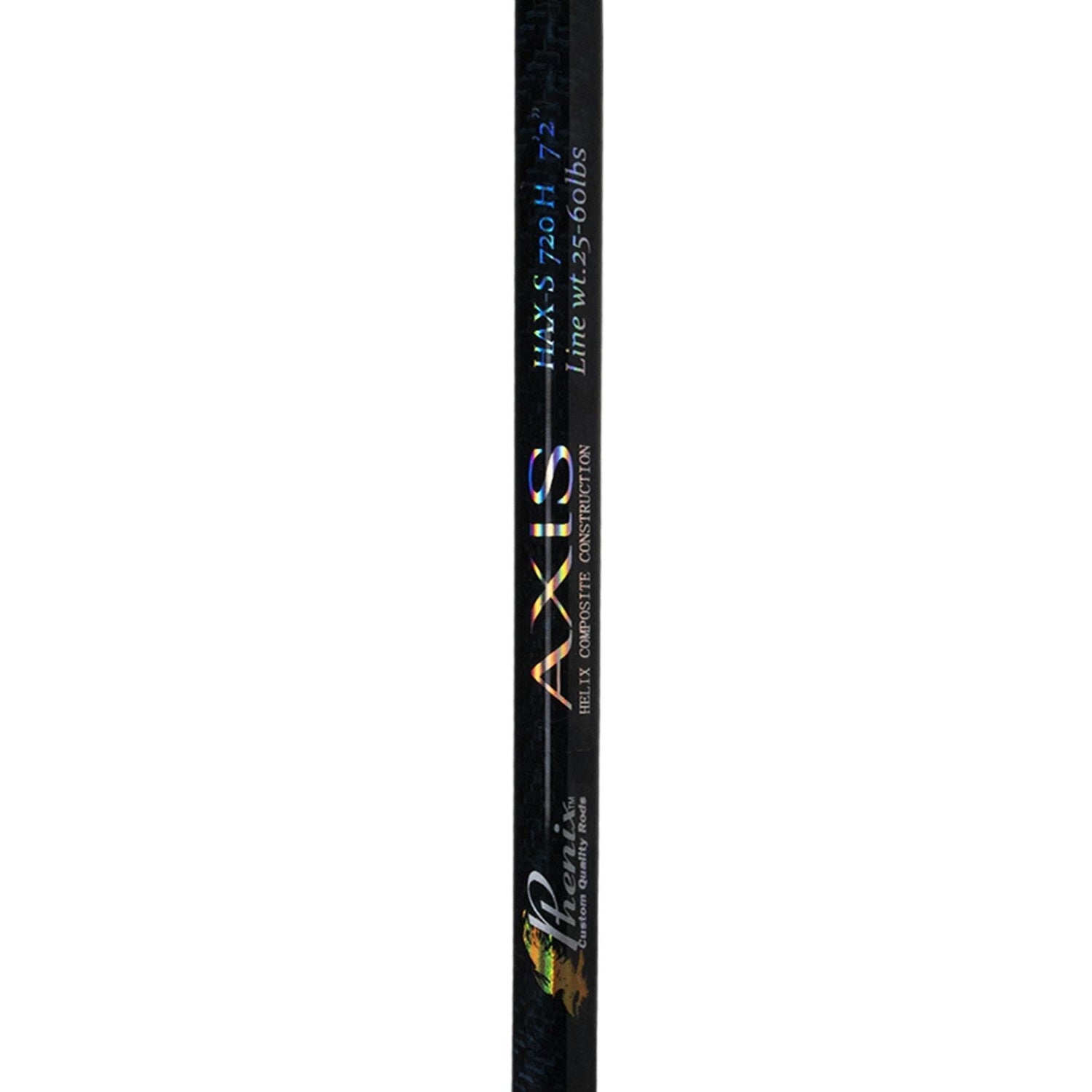
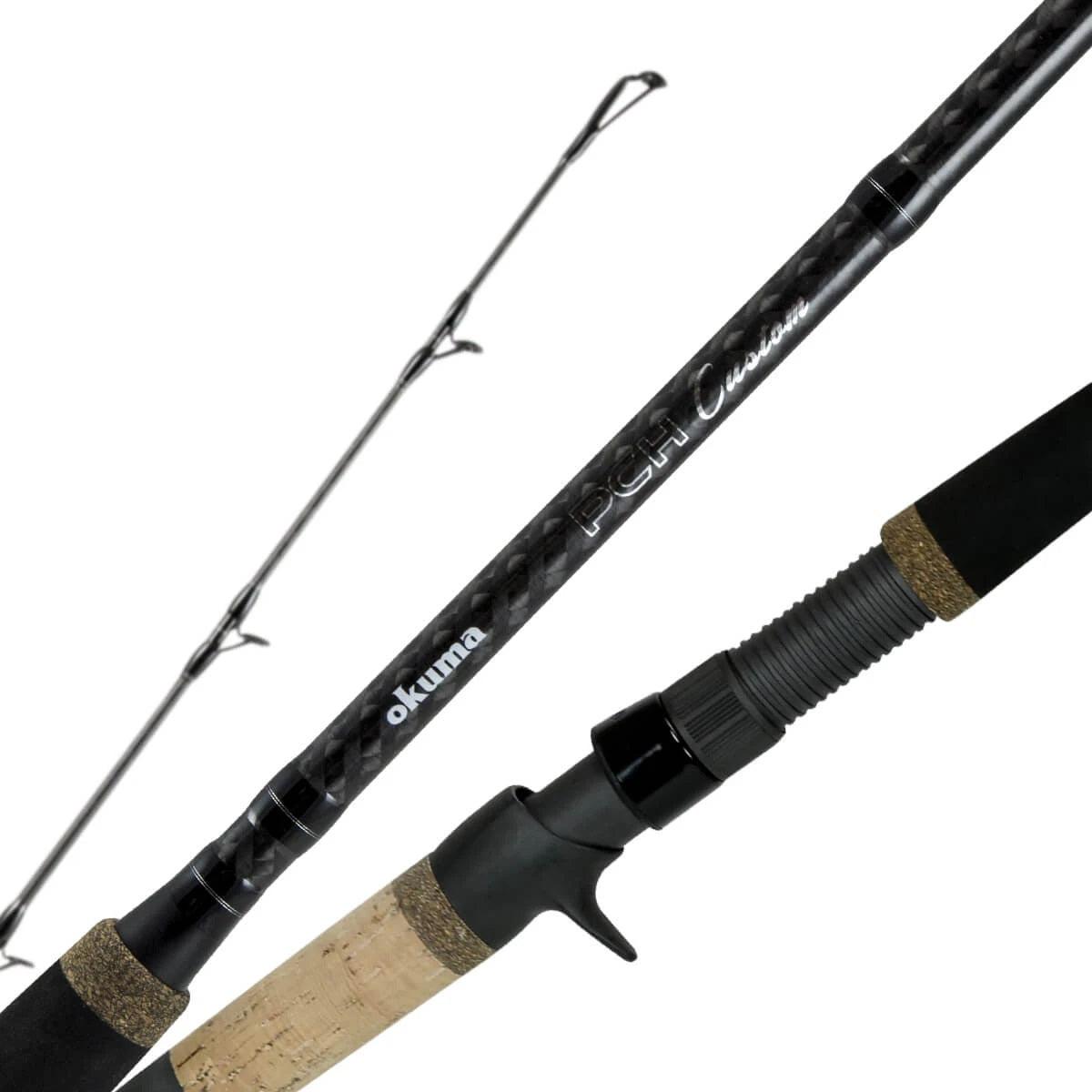
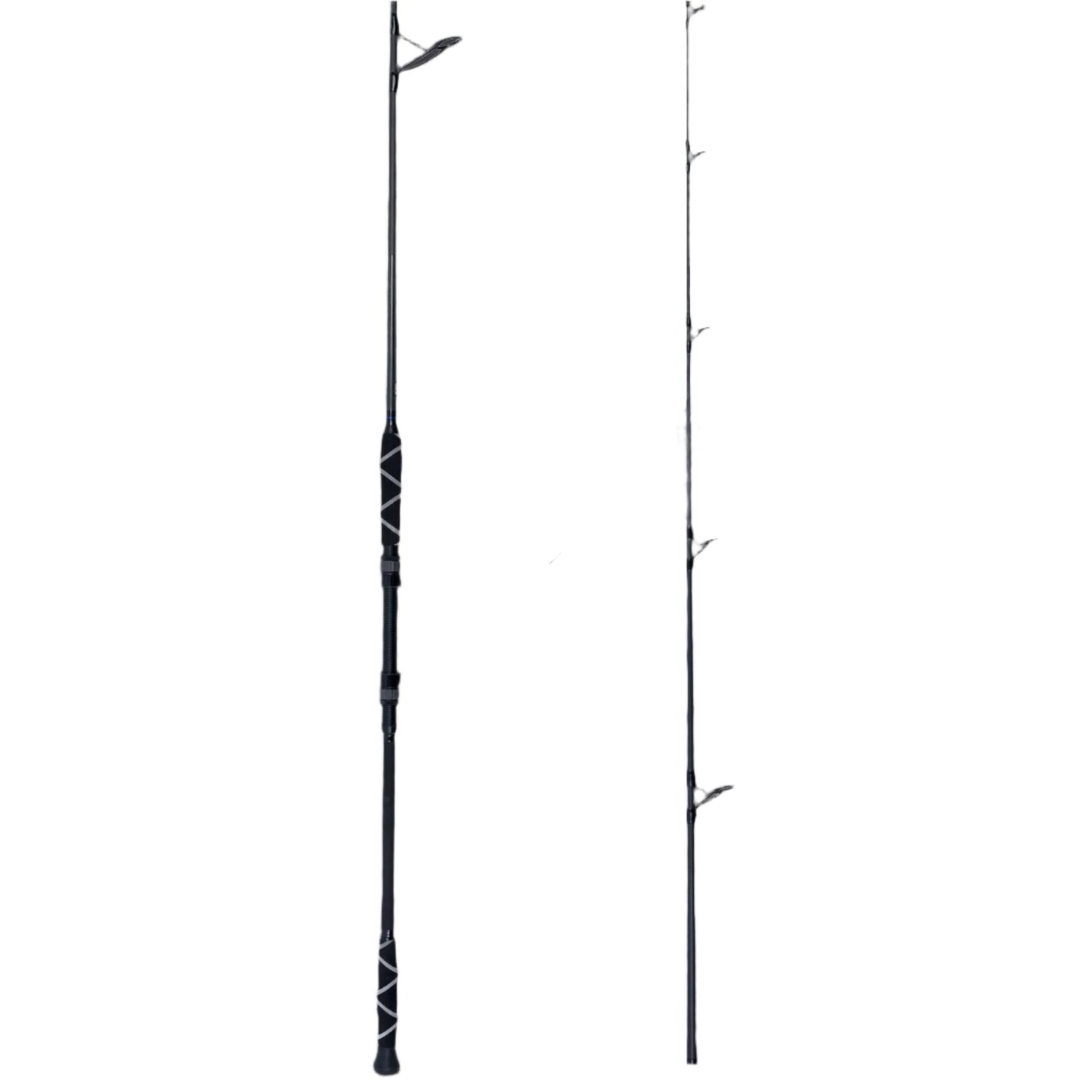
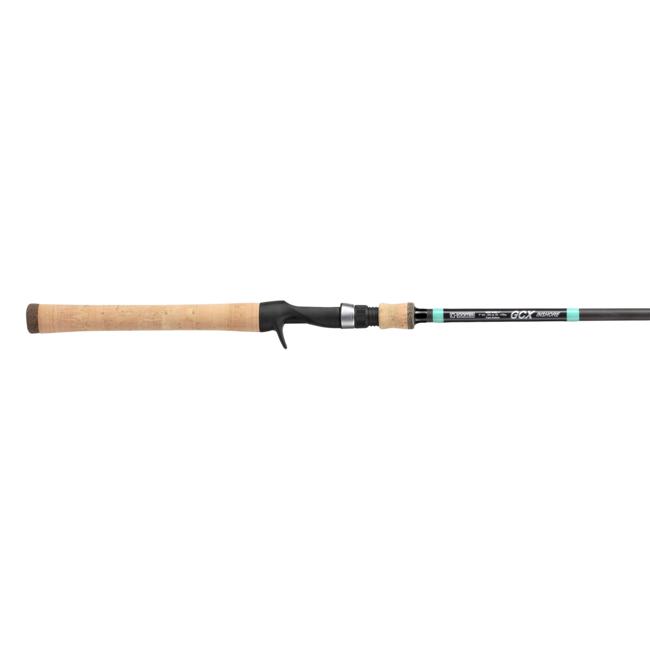
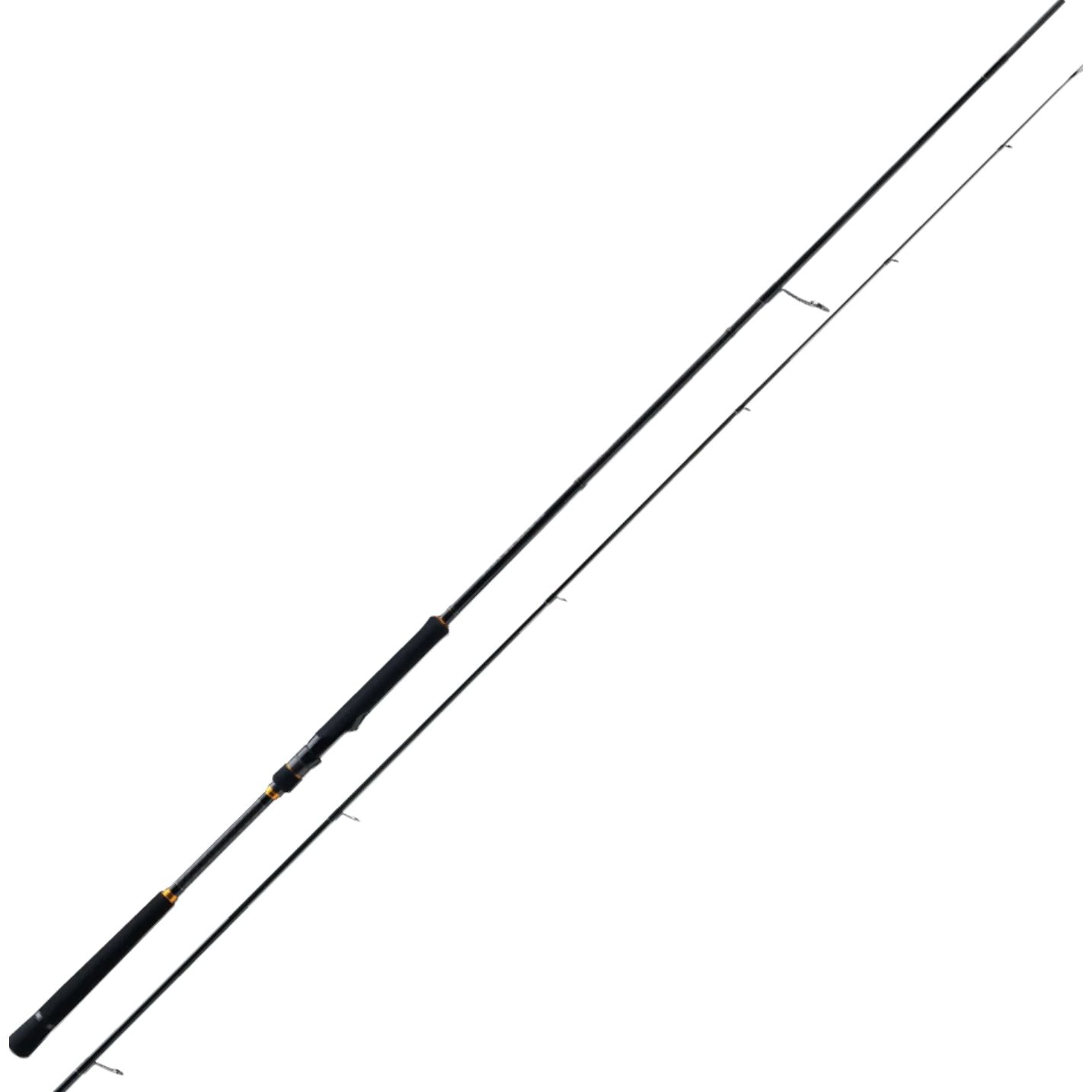
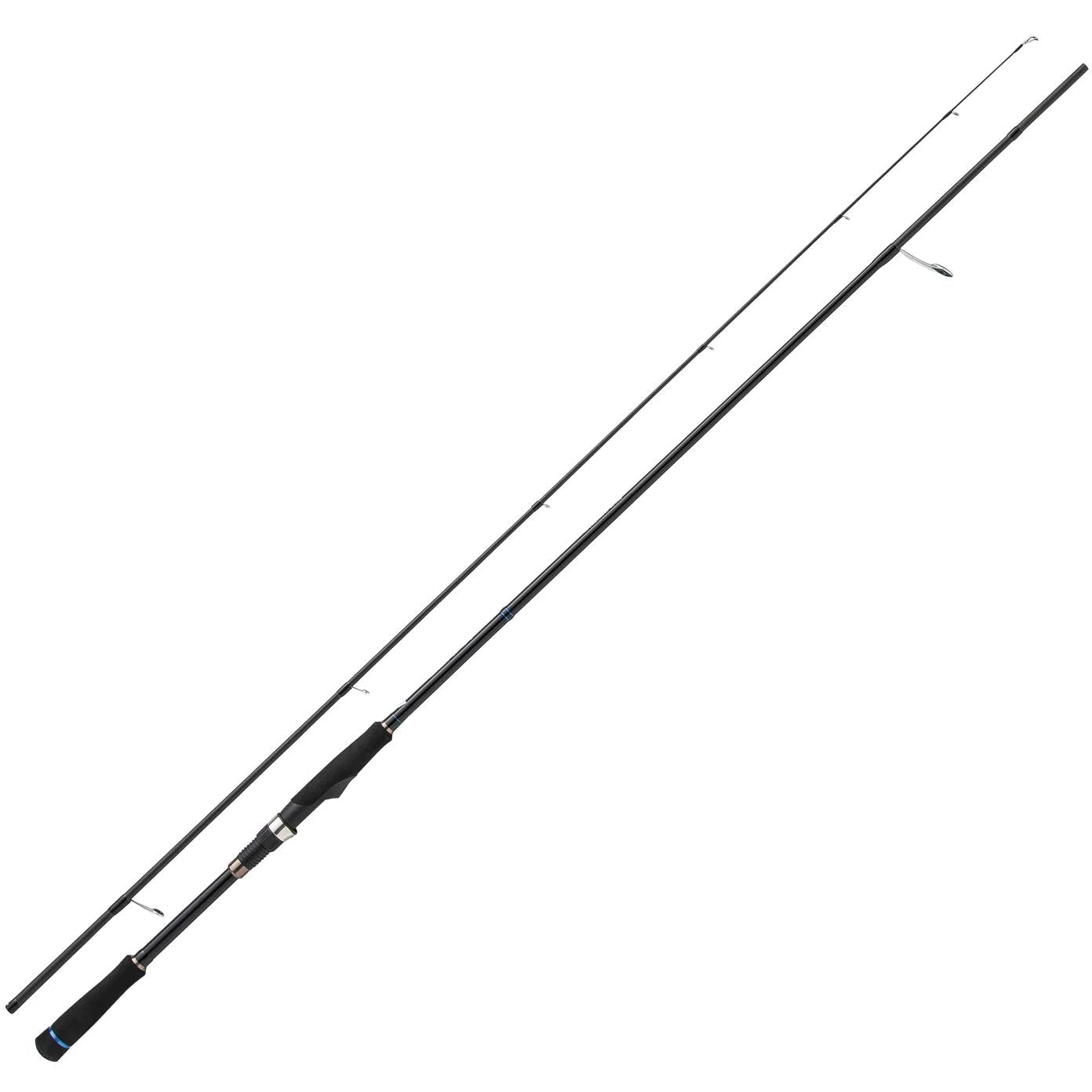
A: A medium or medium-heavy rod with a fast action tip is the most versatile choice. The fast tip picks up the bite quickly (halibut often give a subtle thump or a slow, heavy pull), while the medium to medium-heavy power gives you enough backbone to drive the hook into the fish's hard, bony jaw. For swimbait fishing: a 7'–8' medium-heavy with a fast tip. For live bait: a 7'–7'6" medium with a moderate-fast action that lets the bait move naturally. For surf and pier fishing: go longer, 9'–10', with a medium-heavy action to keep your line out of the wash.
A: Absolutely. California halibut are one of the most accessible trophy fish for shore-based anglers in Southern California. Sandy beaches, public piers, jetties, and bay flats all produce halibut. Key shore tactics: cast a soft plastic swimbait on a 3/4oz jig head into the trough behind breaking waves and slow-roll it back, or rig a live anchovy on a Carolina rig and let it sit near the bottom in a sandy bay zone. Early morning and evening tides are the most productive windows. Many fish in the 5–10lb class are caught from popular piers along the SoCal coast every season.
A: A flatfish drift is the standard boat technique for covering ground over sandy bottom. You position the boat upcurrent or upwind of a productive flat, cut the engine, and allow the boat to drift naturally across the bottom. Live bait is dropped to the bottom on a Carolina rig or a slow-sinking live bait setup and dragged along as the boat drifts. Soft plastics can be fished the same way — cast forward of the drift direction, let the swimbait sink, and maintain bottom contact as the line comes tight. Most strikes happen as the bait transitions from slack to tight during the drift.
MORE SPECIES

Trout

CA Yellowtail

Tuna

White Seabass